

Henry Steinberg: There Is a Full Pipeline of Deals Despite Tariff Shock
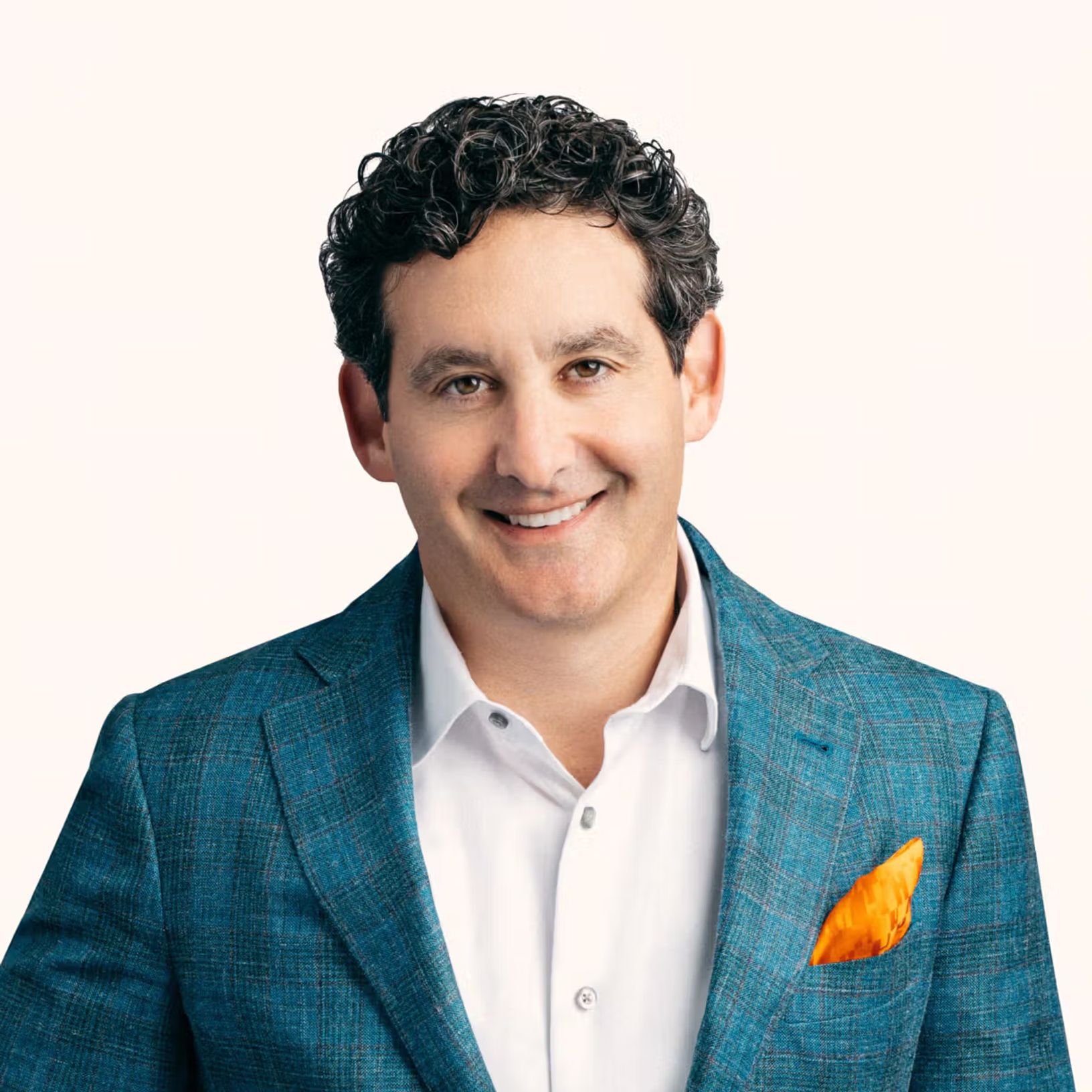
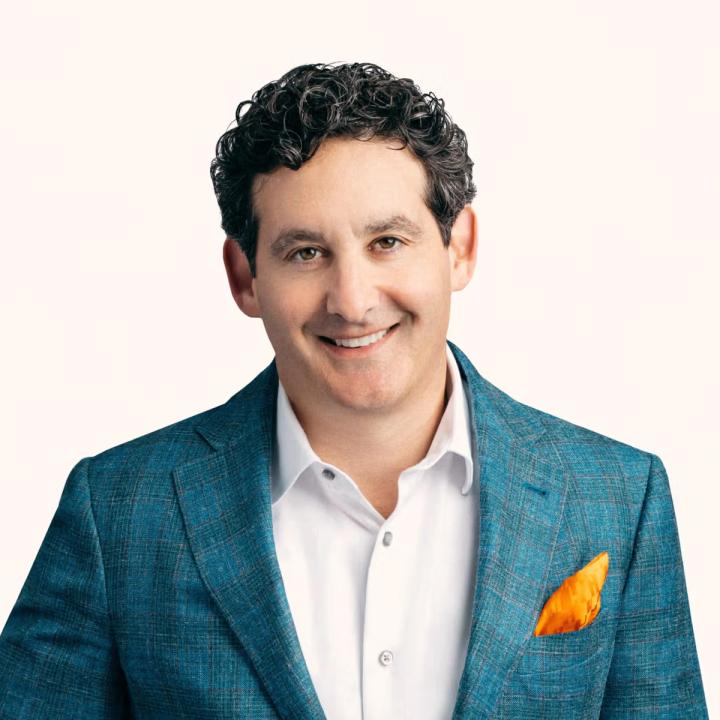


Henry Steinberg, Global Head of EQT Real Estate, says that tariff concerns led to a backlog of deals and a very full pipeline of opportunities.
Q: What surprised you the most about the market in 2025?
Henry Steinberg: What surprised everyone was tariffs. I don’t think the market believed the Trump administration was actually going to do what Trump said he was going to do, so Liberation Day caught the market off guard.
Q: How has deal flow been in 2025? Did you see more opportunities or challenges, and how do you expect the deal environment to evolve in 2026?
Henry Steinberg: Deal flow slowed quite dramatically for a period after the April tariff announcement. It then became clear that the worst-case tariff scenario announced in April would not necessarily be the final tariff level. People also saw that tariff costs were manageable.
So now we have a backlog of deals in the market and are seeing the most robust pipeline of transactions that we’ve had in many years. Many companies and investors wanted to sell property assets earlier in the year, and then waited. They now need liquidity and are selling their most liquid assets, which often means industrial buildings.
What’s interesting is that, because of the lack of liquidity, we are seeing better pricing for relatively larger portfolios of buildings. We continue to evaluate each building at a granular level, but we are taking the opportunity to sell buildings in smaller packages and are buying in larger formats where we can acquire portfolios at a discount.
Q: How have tariff policies impacted how you invest?
Henry Steinberg: In preparation for the tariffs announcement, we saw tenants take out a lot of space, especially in large-format buildings in the U.S., to stockpile inventory purchases. Much of our space is U.S. and European industrial and many of our tenants are companies that want to be close to their end users, the consumers of their products. We also see changes in demand for space as the flow of goods changes, but this remains very nuanced and varies market by market.
Q: What is the biggest risk on your mind heading into 2026?
Henry Steinberg: Stagflation is the biggest risk. The U.S. Federal Reserve has competing mandates, and if the Fed ends up in a tight spot where inflation kicks in again and growth worsens, that is a pretty tough scenario for the wider economy and for real estate as an investment class.
Q: Where do you see the greatest investment opportunities in 2026, and what are people missing when you look at your sector?
Henry Steinberg: The best opportunity we see at the moment is in core plus risk profile deals at value-add returns and core risk profile deals at core plus returns.
A lot of players during the last cycle entered the industrial space, and many of them were not well-capitalized and are completely out of the market today. We are therefore operating in an environment with less competition.
Q: Do you expect to be more aggressive or conservative in capital deployment next year?
Henry Steinberg: We have been pretty aggressive this year, and I think we will continue to see lots of investment opportunities going into 2026. We have a very large pipeline in both the U.S. and Europe.
Q: What are your tenants and teams telling you about the year ahead and what to expect?
Henry Steinberg: We do regular surveys and calls with our tenants, who include major global firms, to gain insight into whether they will need more or less space and what type of space.
Throughout the year, the number of red warnings went down, and the number of yellow and even green responses increased as people saw growth return to their supply chains.
By the end of this year, we are projecting to have our strongest leasing outlook since the end of the pandemic in 2022.
Q: How are you incorporating AI or automation into your operations?
Henry Steinberg: I would reframe this: What are we doing with data analytics? Having a handle on your data is essential, and you really need to have AI tools. What we have been able to do is structure our data from across our 55 offices and investment and leasing teams. That is a huge competitive advantage.
Our local teams aggregate and scrub data comparables on leases, sales and market availability, which includes third-party data that we buy. While this third-party data might be 50 to 80 percent accurate initially, after we scrub it, we get it to be about 95 percent accurate.
That then allows us to look at any building in the market and know exactly what the competition is. We can look at related deal velocity for every quarter over the previous eight quarters to compare trading prices, compare lease rates, and adjust for tenant projections. We can also combine this information with our tenant survey results to see companies’ future plans for growth or contraction. All these data points and more give us real-time insight into everything going on in every local market we operate in.
We are marrying our tradition as a world-class operator of real estate with best-in-class data. It is a very powerful platform.
As global head of EQT Real Estate, Mr. Steinberg oversees EQT's real estate business, spanning industrial and residential strategies across the Americas, Europe, and Asia, and is a member of EQT's Executive Committee. Mr. Steinberg joined Exeter Property Group, now EQT Real Estate, in 2008, and brings decades of experience across real estate investment, development, management, and operations. He was previously the President of EQT Exeter North America and Co-Portfolio Manager of the U.S. Industrial Value Fund series. Prior to this role, he served as Investment Officer responsible for the Northeast region. Prior to joining EQT Real Estate, he worked for Liberty Property Trust from 2003 to 2008, where as a Director of Leasing & Development he was responsible for a 5.5 million square foot warehouse, flex and office portfolio and was part of the team that developed the Comcast Center, a 1.25 million sf skyscraper in Center City, Philadelphia. Prior to Liberty Property Trust, Mr. Steinberg worked at Arthur Andersen as a Senior Consultant in their Strategy, Finance and Economics practice. Mr. Steinberg earned a BA in Economics from the University of Pennsylvania and an MBA with a concentration in Finance from the Stern School of Business of New York University.

ThinQ by EQT: A publication where private markets meet open minds. Join the conversation – [email protected]
On the topic ofReal Estate








Exclusive News and Insights Every Month
Sign up to subscribe to the EQT newsletter.