

AI Has an Energy Problem. The Nordics Offer a Solution

Amid an AI boom, tech companies are flocking to the Nordics in search of clean, cheap and accessible energy.
- OpenAI, Microsoft and Google are building data centers in the Nordics as Europe’s main markets hit energy and grid limits.
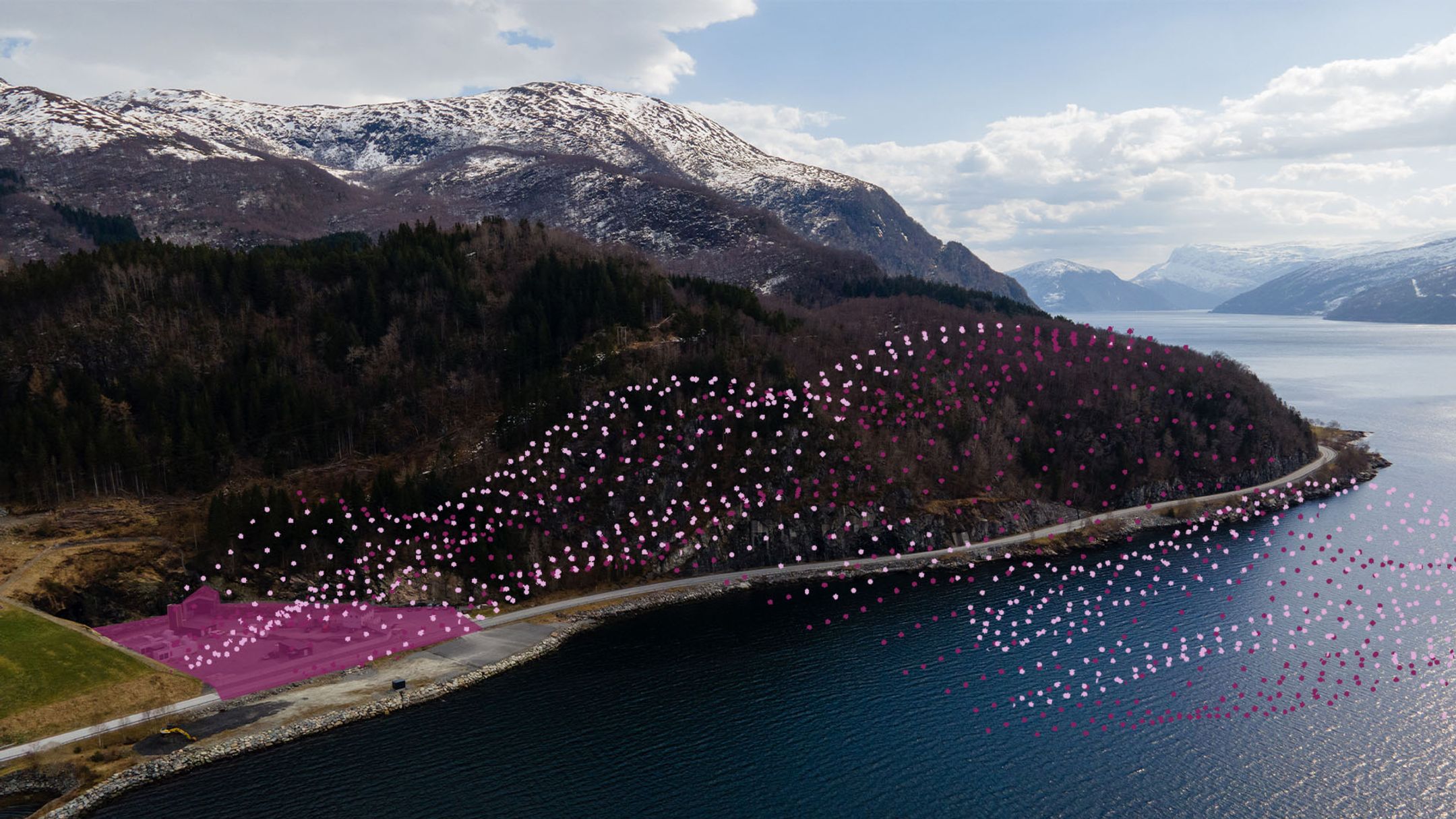
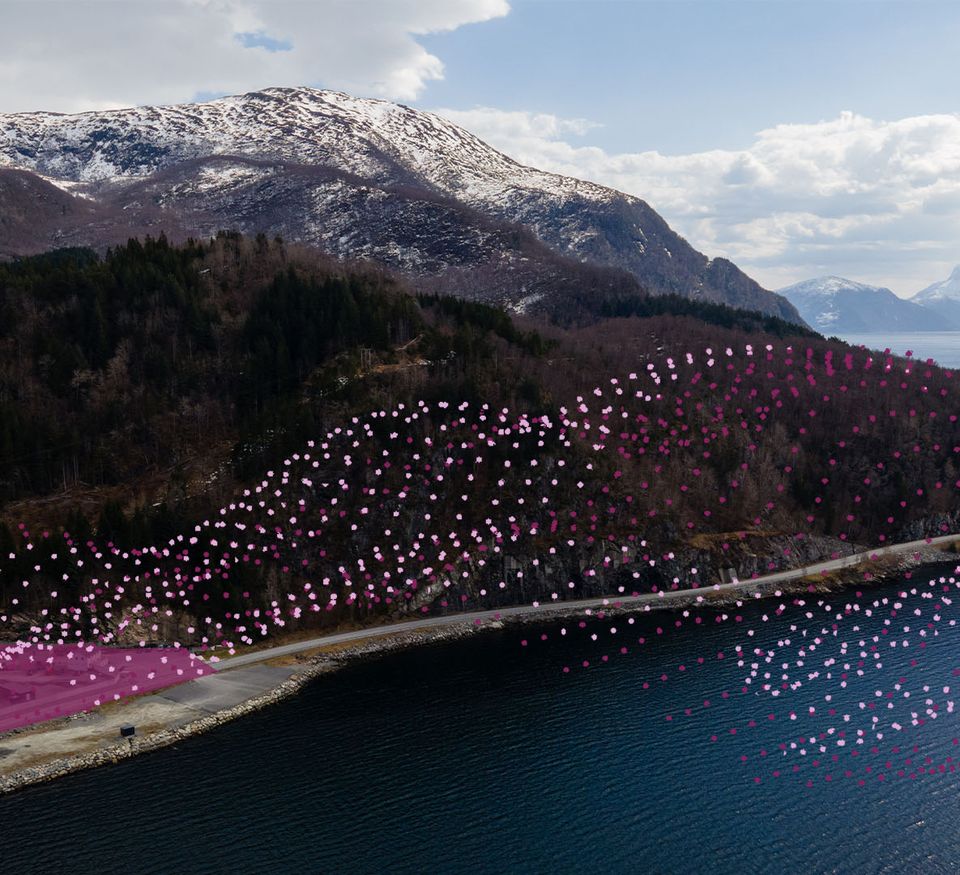
Narvik, a remote community of 21,000 people in northern Norway, isn’t an obvious choice for a tech hub. But in July, OpenAI announced the tiny Arctic town would host its first European data center, bypassing the traditional markets of Frankfurt, London, Amsterdam, Paris, and Dublin.
OpenAI is just one of several energy-hungry AI companies investing billions of dollars in the Nordics, a region recognized for its abundance of low-cost, renewable energy, cool climate and fast grid connections. Microsoft said last year it would invest $3.2bn to expand AI and cloud infrastructure in Sweden, calling the Nordics one of the keys to meeting its ballooning electricity demands. Google pledged another €1bn to expand its Finnish data center campus. And Nvidia challenger Groq recently announced its first European data center in Finland.
As electricity grids in other parts of the continent come under growing strain, the Nordics have emerged as an AI infrastructure hotspot. Over the next decade, energy demand from data centers in the region is expected to grow four- to fivefold, according to the think tank Ember, putting Norway and Sweden on par with the biggest European hubs.
“We are still in the early innings,” says Carl Sjölund, a partner at EQT in Stockholm.
New player in town
It marks a notable turnaround for the Nordics, which missed out on the initial boom. Until recently, cloud and internet firms wanted data centers located close to metro areas and customers to reduce latency, or delays in transmitting data, Sjölund says. The five main hubs, including Frankfurt and London, dominated Europe’s data economy for years, leveraging their deep capital markets and well-developed digital infrastructure.
But the equation has changed. In training AI models, response times are less of a concern, allowing data centers to be developed in more remote locations where power tends to be cheaper. The major markets today face an electricity bottleneck, with a 13-year wait to connect to the grid in some places. Dublin and Amsterdam, meanwhile, have paused new projects in recent years amid concerns over power consumption.
“Grid availability is actually now topping the list as the biggest factor affecting where these big companies are choosing to put their facilities – above price or anything,” says Elisabeth Cremona, a senior analyst at Ember. “These companies really prioritize speed.”
The Nordics, by comparison, have some of the lowest levels of congestion in Europe, thanks to “deliberate planning” by local transmission system operators. Denmark’s Energinet began anticipating a data center boom in 2017, before AI became mainstream.
The wealth of low-carbon energy is another big draw for tech companies building mega centers, with emissions from power-hungry sites forecast to rise. Those sources, including hydro, wind and nuclear power, make up 98 percent of the region’s consumption. A cool climate, which can offset the immense heat generated by the huge data centers being built today, and some of the cheapest electricity prices in Europe, offer additional benefits. With European power demand projected to rise by 30 percent over the next decade, driven largely by AI, the Nordics could draw more investment, Goldman Sachs estimates.
Fiber Demand
Powering data centers is only one part of the equation. Another crucial component is fiber, which connects data centers to each other and to end users.
In the Nordics, EQT-backed GlobalConnect operates a giant 244,000-km fiber network in the region, transporting about half of all the internet traffic in and out of the Nordics. Since EQT first invested in the company in 2017, GlobalConnect has invested between €500m and €600m per year in expanding that infrastructure, Sjölund says.
It’s a reminder of the intense capital needed to compete in the buildout of AI infrastructure. An estimated $2.9tn of data centers are expected to be built by 2028 (each one costs at least $5bn), with private capital firms among those providing the huge up-front investment.
GlobalConnect, based in Sweden, has seen rising demand for fiber infrastructure in the region and is anticipating further growth as new data centers come online. The company last year completed a 2,600-km “digital highway” between northern Sweden and Berlin, deploying submarines to trench the seabed, carrying out extensive archaeological work, and removing more than 200 World War II-era bombs from the Baltic Sea.
Sustainable path
The size of the energy gap is such that the Nordics can’t solve it alone.
Access to renewable energy, supportive policies and improving connectivity are driving investment in markets such as Madrid, Milan and Warsaw, too, while further afield data center clusters are appearing in regions such as the Middle East. Longer term, AI companies could look to revive nuclear plants near existing data centers or construct their own on-site energy sources using solar panels and other technologies.
Still, with AI companies eager to avoid the social and environmental challenges seen in other parts of the world, the Nordics will likely remain an important investment destination.

ThinQ by EQT: A publication where private markets meet open minds. Join the conversation – [email protected]
On the topic ofCase Studies





Exclusive News and Insights Every Month
Sign up to subscribe to the EQT newsletter.