

The Task of Retuning Japan’s Most Iconic Stereo Company
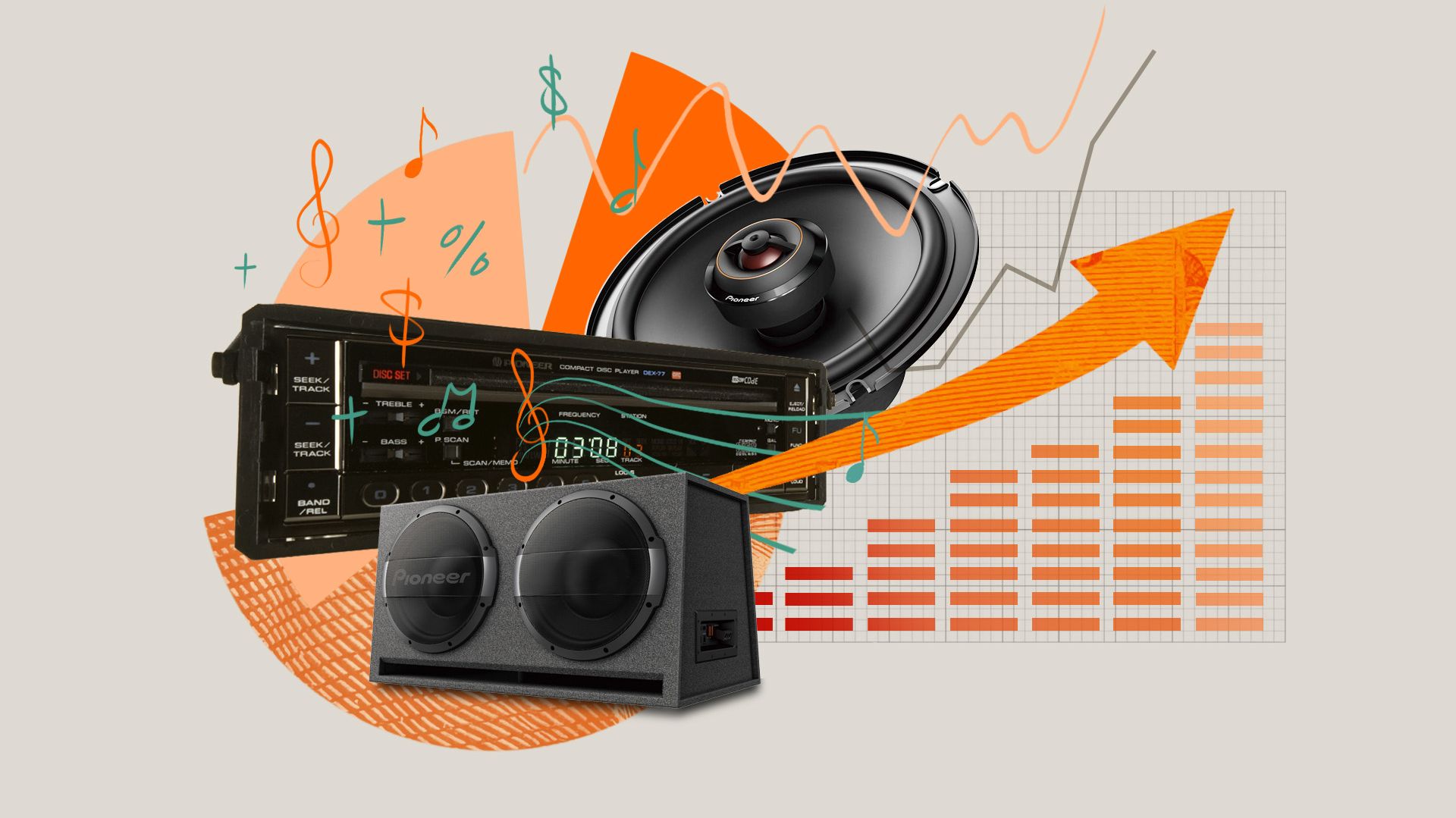


Once one of Japan’s most iconic electronics brands, Pioneer had struggled in recent decades. EQT saw an opportunity to revitalize a global name in car stereo manufacturing.
- EQT worked with Pioneer to rebuild the leadership team, streamline operations, and refocus on core strengths.
Pioneer was once one of Japan’s most iconic electronics brands, ranked alongside household names such as Panasonic, Sony and Hitachi. By the turn of the millennium, the firm was in trouble, weighed down by too many thinly margined products and a sclerotic decision-making process.
“They were very big in the 80s and 90s, globally successful in terms of their technology and products,” says Taihei Mizukoshi, an Associate at EQT’s Tokyo office, “but they all started struggling after the year 2000.” In 2018, a year before it was acquired by EQT, Pioneer was operating at a loss.
Despite its struggles, it was clear to EQT that Pioneer could be revitalised. The company was still capable of producing high quality sound technology, powered by a workforce dedicated, as EQT Director and Pioneer board member Kohei Fukushima puts it, to returning “to an age where Pioneer was number one.”
It was those two factors – a strong product legacy and loyal team – that convinced EQT that Pioneer was a business that could be turned around – and fast.
When Pioneer was number one
Pioneer started its life in 1938, when Nozomu Matsumoto, having honed his skills assembling speakers in his Tokyo garage, opened a small radio and speaker repair factory named Fukuin Shokai Denki Seisakusho, meaning “electric chant company.” As it grew into a global conglomerate – changing its name to Pioneer Electronic Corporation before losing the “Electronic” as it diversified – Pioneer introduced a number of global and Japan firsts to the sound and visual technology market.
As the world entered a new millennium, behind the scenes, the company was in trouble. The firm operated in the global market, but its organization was not fully globalized.
Leadership decisions trickled down from Tokyo, impacting its ability to compete nimbly on the world stage. For example, while Pioneer had contracts with Japanese original equipment manufacturers (OEMs) that sold overseas, a lack of global presence and regional expertise meant they often struggled to deal directly with large non-Japanese manufacturers in North America and Europe.
Elsewhere, prioritising revenue over margin profitability had led to a decline in liquidity, says Fukushima. The challenge was made harder as the company’s resources were thinly spread across managing Pioneer’s portfolio of 16 offshoot businesses, most of which weren’t focused on automotive electronics devices, on which the company’s success was built.
Private equity investment in Japan-based firms
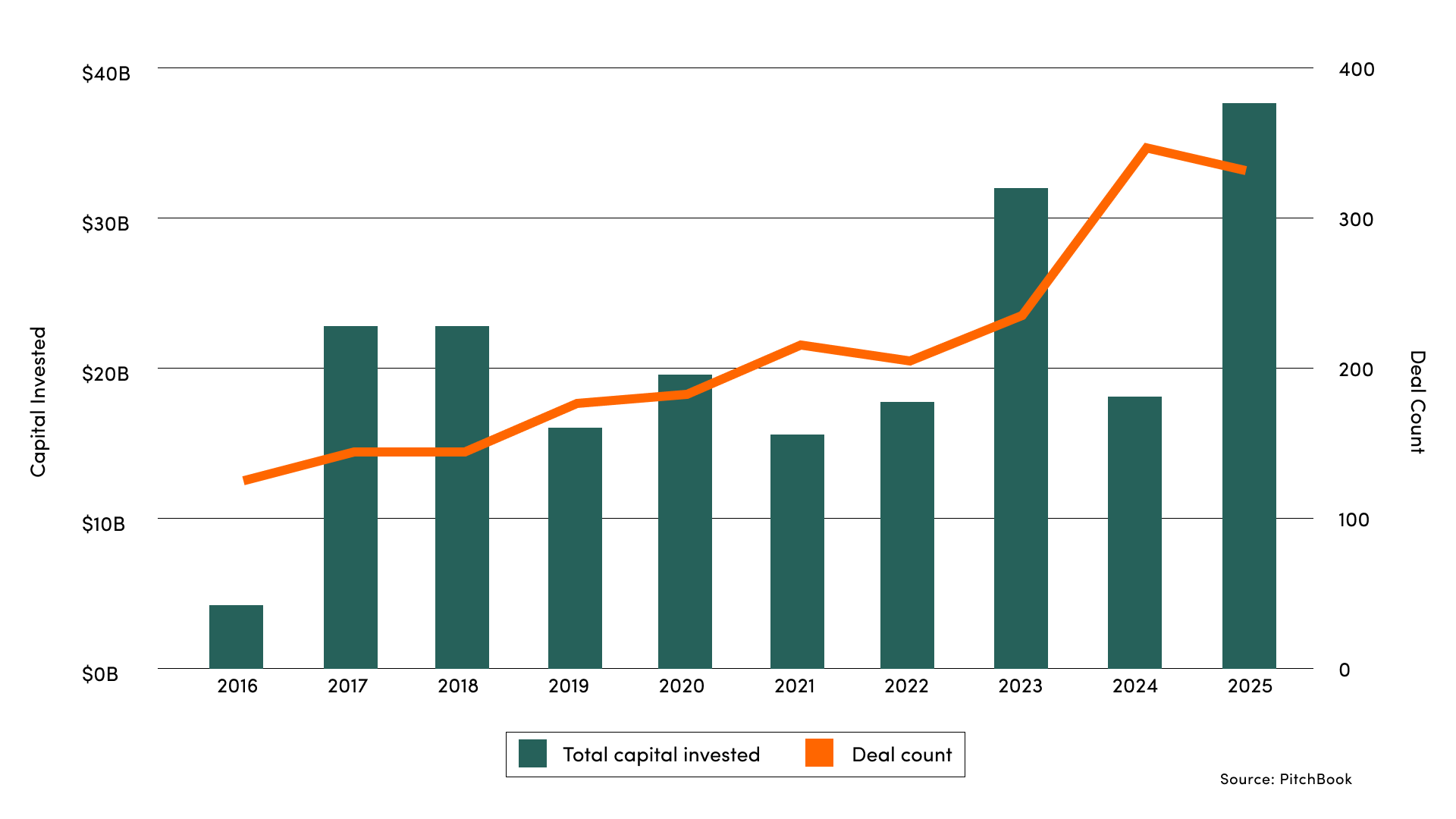
Pioneer’s then-CEO had known EQT Partner and future-Pioneer board member Shane Predeek for a number of years, and so in 2018, he contacted Predeek seeking outside support to boost the business. Predeek liked what he saw and, a year later, the firm had delisted from the Tokyo Stock Exchange under the ownership of EQT.
Straight away, Pioneer and its new owners got to work on their two initial priorities: building a leadership team with the aim to restore Pioneer’s operations to their former glory and bring costs under control.
Focus on automotive
It was a hectic time involving line-by-line cost analysis, all while making a number of key hires to supplement the company’s capability. Elsewhere, efforts to make the business more efficient were accelerated. Pioneer soon implemented a disciplined cost control framework that included selling or dissolving all of its non-automotive businesses.
That level of cost-cutting is never easy, but many in the company understood that it was necessary for Pioneer to survive, adds Fukushima. “What was important for this investment was that the employees really loved their company,” he says.
“They wanted to bring Pioneer back to the Pioneer that was known in the past.”
Those early months of reform were soon tested when the pandemic-induced supply chain disruption hit. The Pioneer teams worked the phone to secure support from clients for the abnormally increased costs during the period. “We had the right mindset in terms of cash flow in that period and we were able to overcome it,” says Fukushima.
Reviewing the brand
Post-Covid, it was time for a refresh. The question, ‘what was Pioneer really good at?’ became the theme for a 2023 weekend offsite for the firm’s senior management.
What became clear was that the idea that had made Pioneer such an iconic brand was also the key to restoring it: sound innovation.
“Pioneer started as a sound speaker company and that DNA still runs in Pioneer,” says Fukushima. “So we came back to that. We decided that sound is the new growth pillar.”
“Sound” was carved out as a separate division so that EQT and Pioneer could track its success, with a global team recruited to take it to original equipment manufacturers (OEMs) beyond Japan and the global retail market.
New growth verticals were soon started in Mobility Services and Mobility AI Connectivity, which include location-based services, fleet management solutions and AI-enabled camera solutions for automotive safety.
An iconic Japanese brand goes global
By 2024, a revitalised Pioneer was seeing impressive results and, for the fiscal year ending March 2025, it delivered double-digit EBITDA margins. It was around then that the company and EQT began thinking about an exit.
When CarUX, a Taiwanese manufacturer of in-vehicle display solutions, made its interest clear, it felt like a good fit, says Fukushima. By combining CarUX’s infotainment expertise with Pioneer’s speakers and amps, they could “provide a product that was the entire package.”
In June 2025, EQT announced the sale for $1.1bn.
“We were able to find a really good partner for Pioneer to grow further,” says Fukushima. “I'm excited to see how they will evolve in the coming years”

ThinQ by EQT: A publication where private markets meet open minds. Join the conversation – [email protected]
On the topic ofCase Studies



Exclusive News and Insights Every Month
Sign up to subscribe to the EQT newsletter.