

The Power of Invisible Infrastructure
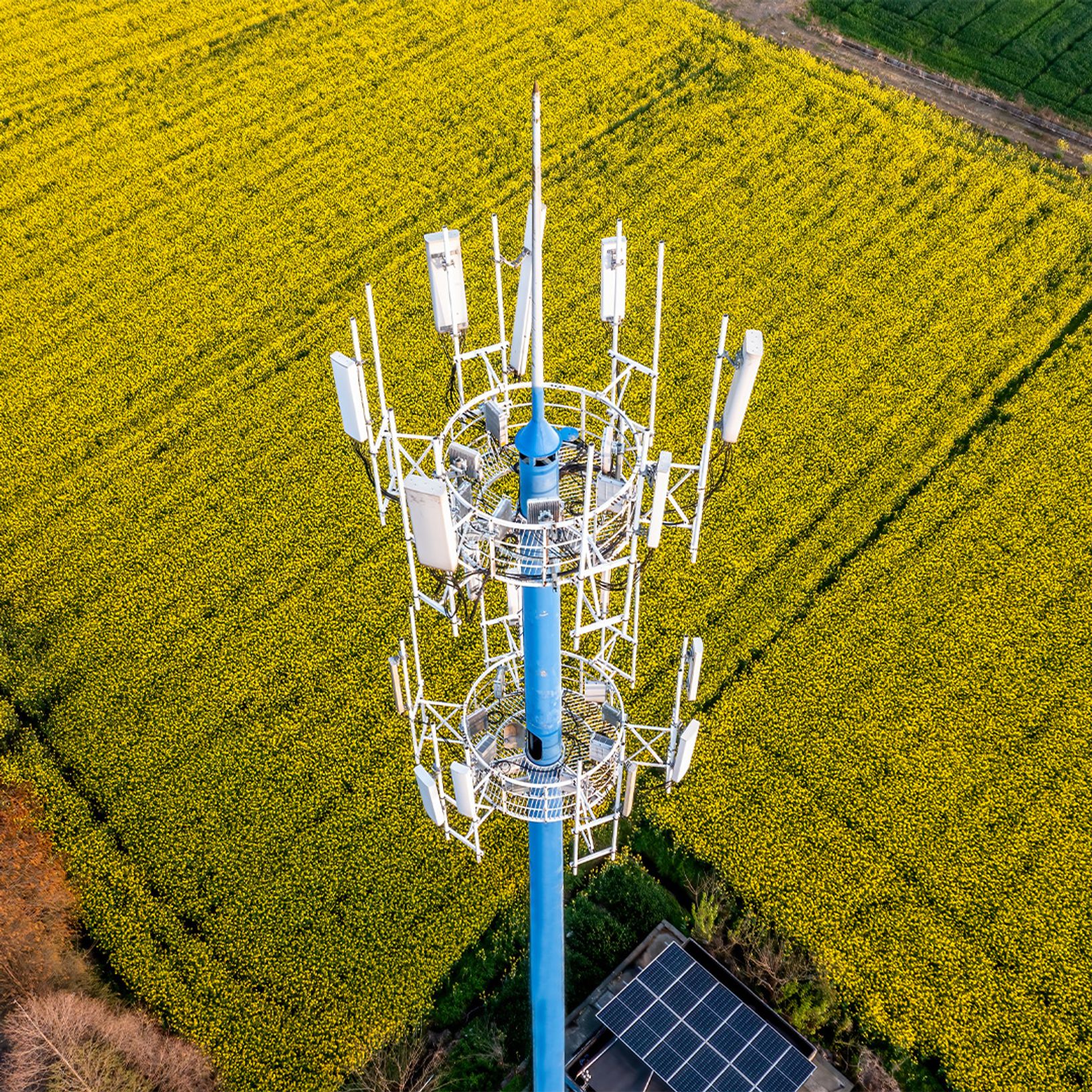


From smart meters to small cells, modern life runs on infrastructure that most people never notice. EQT’s Active Core Infrastructure strategy targets these distributed, mission-critical networks and adds value through hands-on ownership.
Every day, we send billions of messages without considering what makes them possible. An Instagram post uploaded on a train, a Zoom call that doesn’t glitch, an AI query answered in seconds – each one depends on data moving near the speed of light and systems that stay stable when demand surges. The same is true in our physical lives. Hot water, home heating, every kilowatt-hour used in a home has to be delivered, measured and managed through layers of infrastructure that most people never notice.
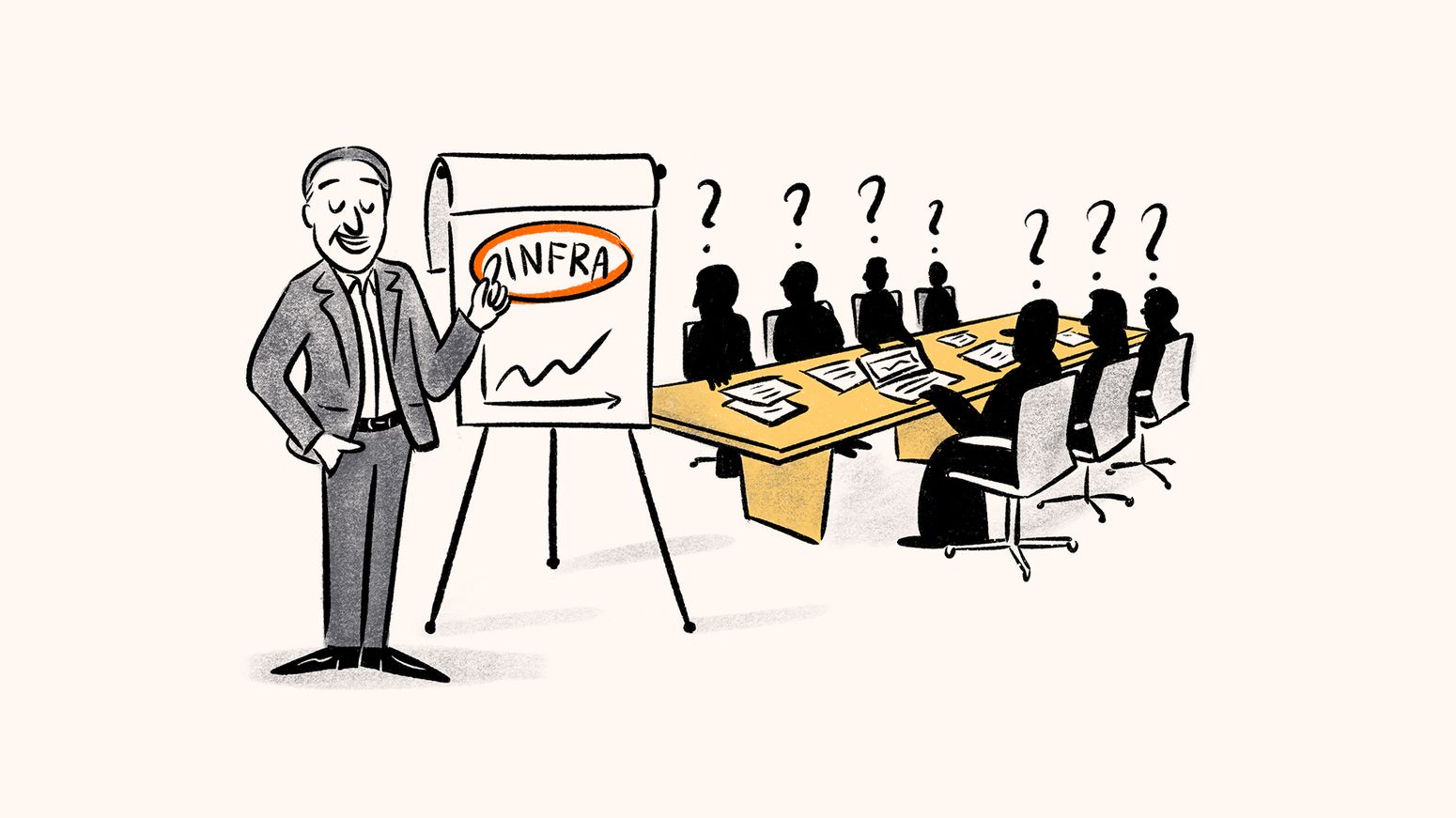
This is the world we invest in through EQT’s Active Core Infrastructure strategy. What most of us picture when we think about infrastructure – bridges, roads and railways – still attract the bulk of investor attention and capital, but we see opportunities in the distributed networks that sit behind modern life: meters that track heat and hot water in rental apartments, small cells that provide wireless coverage in dense cities, or the ground beneath mobile towers. It is infrastructure that is essential yet often unseen.
Some of our most critical infrastructure is seemingly invisible. It is embedded in daily life but sits outside the spotlight. And because these systems are distributed, risk is diversified: performance does not hinge on any single customer, contract or location.
Upgrading operations
Core infrastructure is often described as solely a buy‑and‑hold risk profile, but we see it differently. Stable, long‑duration assets still benefit from active ownership – from tightening contracts so cash flows keep pace with inflation, to rebalancing who carries specific risks, to upgrading operations and layering new services onto existing platforms.
The thesis is simple: some of the most attractive infrastructure opportunities of the next decade won’t be the ones you can see. They will be the ones you use constantly without noticing, shaped by mega‑trends like growing electric and digital demand, and made more valuable by hands‑on ownership.
Our investment in Ocea Group is a prime example of essential but largely unseen infrastructure. The firm has a portfolio of more than 4 million heat and water sub-meters, serving more than 7,000 customers both in social housing and private buildings. The business operates under long-term inflation-linked contracts with a typical duration of more than 10 years. Renewal rates run between 75 percent and 98 percent, depending on the sector, making it a relatively low-risk business.
For companies like Ocea, operational precision creates an advantage. Engineer density is a key lever to add value: building a dense local technician network reduces travel time, increases jobs per crew per day and drives down the cost per installation or repair. That cost edge becomes self-reinforcing – lower costs for customers win more tenders, more tenders deepen local density, and density pushes costs lower again.
Incremental improvements, then scale. Route optimisation, smarter scheduling, predictive maintenance and tighter procurement steadily expand margins across a huge installed base. The result is a core asset that becomes increasingly stable and diversified, while delivering low-risk, hands-on value creation over time.
Layering services
Accurately measuring and dynamically reporting the utilities we use will only grow in importance as grids evolve and governments seek to meet emissions targets. We have exposure to the same theme via Calisen, which owns about 16 million electricity and gas meters, leased under long-term contracts to energy suppliers.
The company has delivered consistent growth, driven by the UK’s government-backed smart meter rollout, but it’s the established contracting frameworks with major utility customers that can help shape the next phase of the business. This could mean scaling from electricity and gas into water metering, then further into technologies that will underpin residential decarbonization.
Layering services is a vital part of the EQT infrastructure value creation toolkit. Radius extends the portfolio’s “invisible but essential” logic into the digital economy. Rather than owning towers or data centers, the company owns the sites and long-term ground leases beneath them. That position creates stable, contracted cash flows with high-quality customers, but the active opportunity sits in what can be added on top.
As power constraints become the limiting factor for digital growth, sites that already host communications and data assets are natural candidates for localised energy sources. Radius can add potential value to the digital ecosystem by working with customers on distributed generation and backup power resilience, helping to keep essential networks online at all times.
This ‘always‑on’ digital infrastructure will require far more investment if the promise of AI – increasingly tethered to our phones – is to be realised. In March, we announced the acquisition of Crown Castle’s Small Cells Solutions business, which operates 115,000 small cells across 43 U.S. states, providing wireless coverage and capacity in dense urban environments.
Capital formation
Demand for energy, connectivity and efficient utilities is rising, even as public budgets tighten. The global infrastructure gap could exceed $15tn by 2040, and the weight of that shortfall will not be carried by governments alone.
That is why long‑term private capital has an increasingly important role to play – funding, operating and steadily improving the essential networks society relies on. Opportunities sit where invisibility meets momentum: distributed infrastructure underpinned by mega‑trends such as growing electrical demand, digitalisation and transport resilience.That’s why we believe that the value of infrastructure quietly executing vital tasks will increase over time, just as the most important investments of past decades have become indispensable to daily life today. Our ambition is to keep expanding the portfolio and applying active ownership so that these systems remain resilient, efficient and fit for the demands of the future – even if most people never notice them at work.
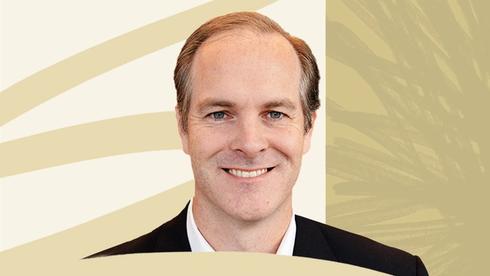
Alex Greenbaum joined EQT Partners in March 2022 and is a Partner on the Active Core Infrastructure Advisory Team. Prior to joining EQT Partners, Alex worked as Head of Infrastructure, North America, at GIC Private Equity and Infrastructure in New York, NY. Prior to GIC, Alex was an investment banker in UBS’ Infrastructure and Transportation Group. Alex holds a B.A. from Harvard University.
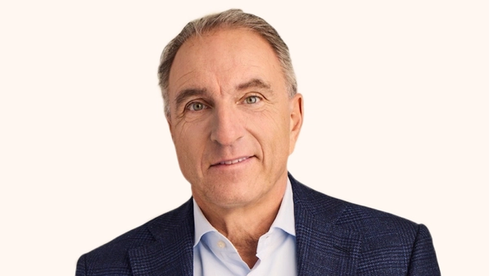
Kunal Koya joined EQT Partners in August 2024. Prior to joining EQT Partners, Kunal spent eleven years at Goldman Sachs Infrastructure Partners where he was a member of the Infrastructure Investment Committee. Prior to that he spent five years at Evercore Partners in its Utilities and Infrastructure team having previously started his career at UBS. Kunal holds an MA in Economics and Management from Oxford University. Directorships: Current: Ocea Group, Calisen

ThinQ by EQT: A publication where private markets meet open minds. Join the conversation – [email protected]
Spotlight OnInfrastructure




Exclusive News and Insights Every Month
Sign up to subscribe to the EQT newsletter.