

Can Waste Heat From Data Centers be Made Less Wasteful?
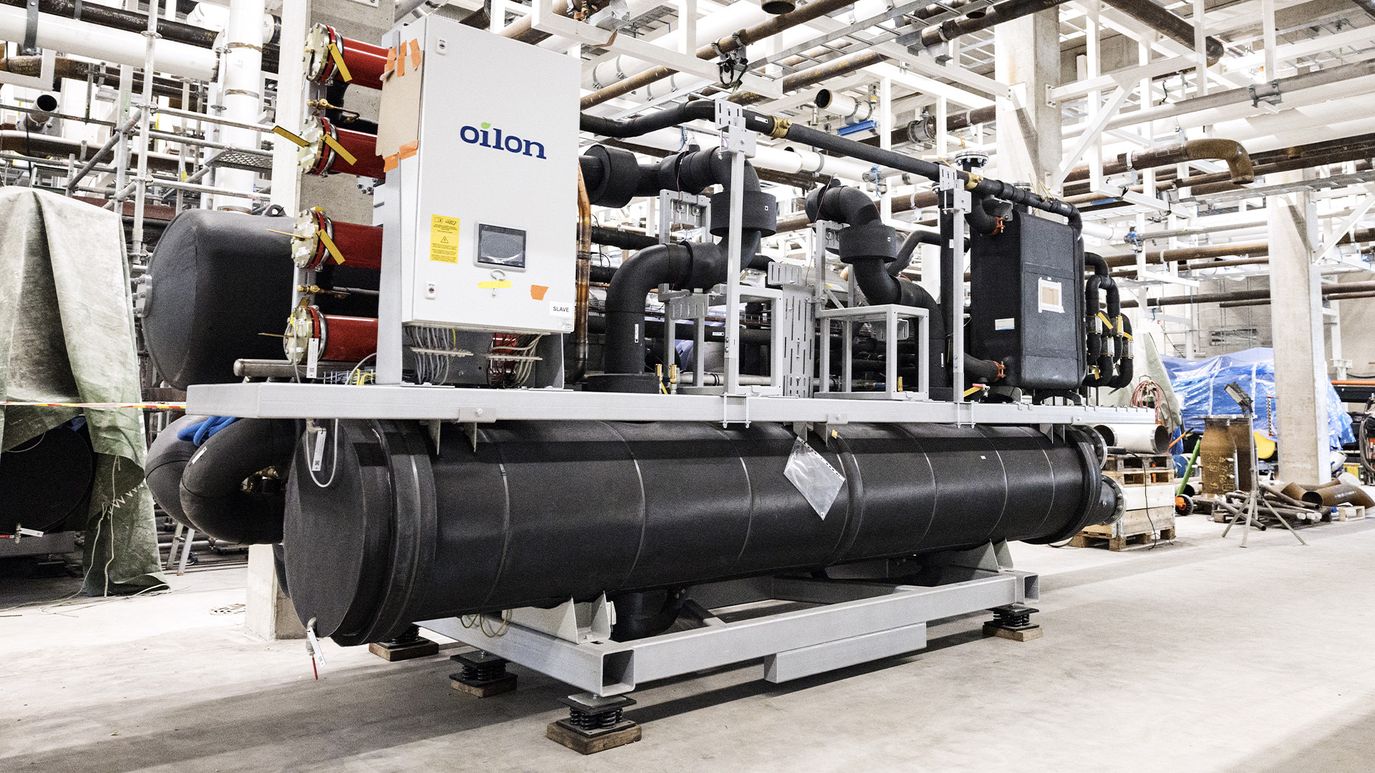
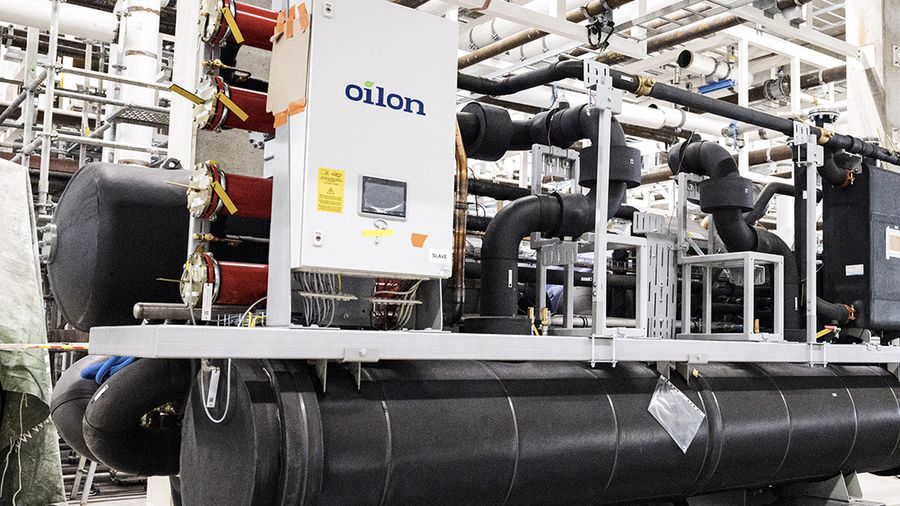

Data centers consume vast amounts of energy to run and cool servers, producing torrents of waste heat. As investment accelerates, operators are finding clever ways to capture and sell that heat, turning waste into a valuable resource.
- Data centers produce enormous amounts of heat, but some operators are now capturing it to warm swimming pools, homes and even lobster farms.
Lobsters in Norway are currently swimming in water warmed by them. And, one day, a miniaturized version could even replace your gas boiler. As tens of billions of dollars are invested annually into constructing new data centers, innovative ways of using the heat they generate are cropping up around the world.
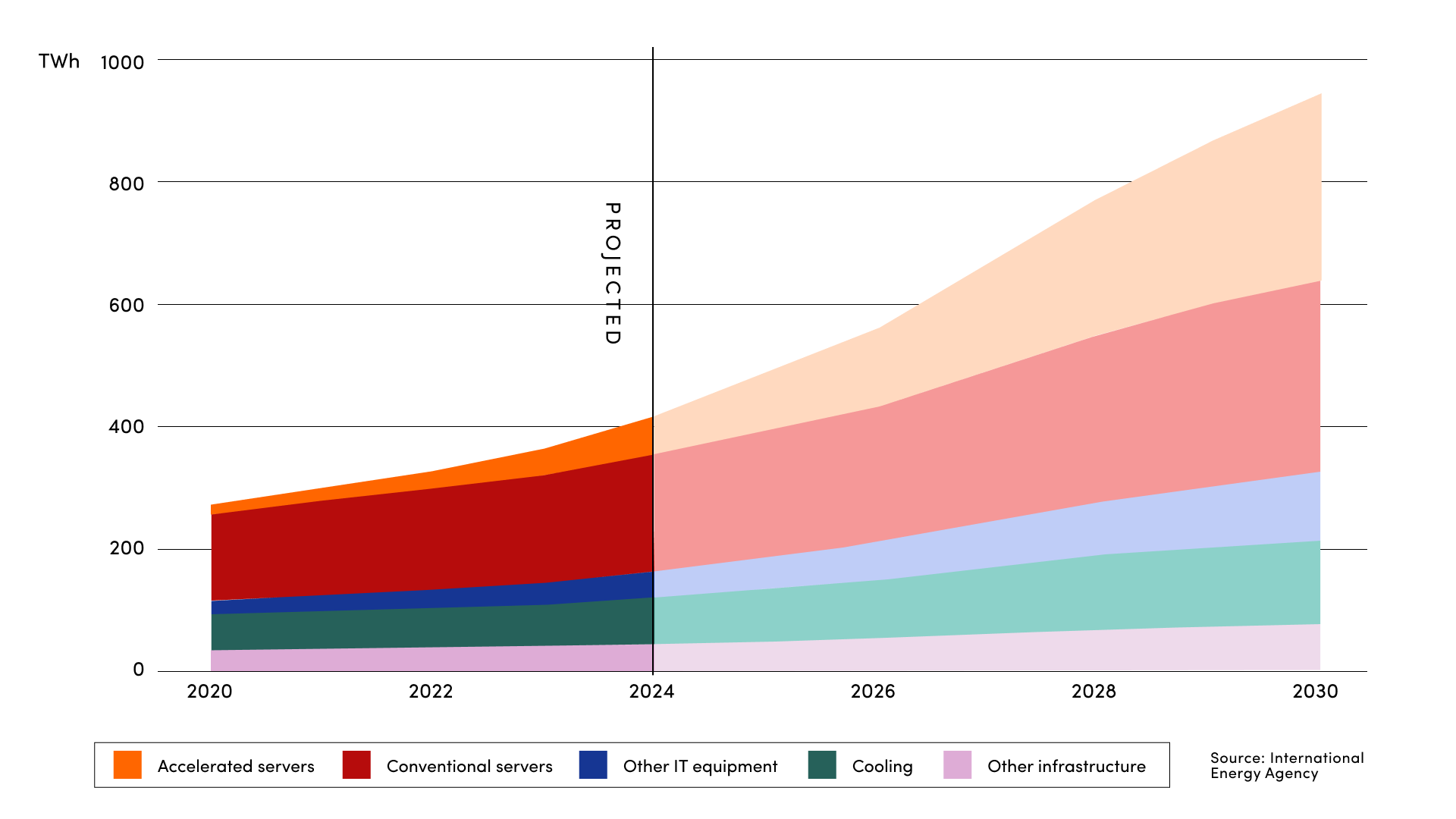
About 40 percent of the electricity consumed by a typical data center is spent on cooling, according to McKinsey, and the International Energy Agency projects that the industry’s electricity demand will double by 2030 from 2024’s levels. That increase is creating a large and growing cloud of wasted heat – and governments and companies are looking to turn it into a resource.
“There’s been more technological innovation and demand in the last 18 months than in the last 18 years,” says Gemma Reeves, business development lead at Sweden’s Alfa Laval, who has spent more than 20 years working on heat reuse and transfer across different industries. A key recent change is the shift from air cooling to liquid cooling. The latest chips from Nvidia used to train AI run so hot that blowing air over them isn’t effective. Moving to systems where liquid circulates in direct contact with processors, or even immersing them entirely in non-conductive liquid, is around 3,000 times more thermally efficient, says Reeves. “It makes heat reuse a lot more possible,” she says.
Transporting heat is hard
One of the biggest limiting factors with waste heat reuse is location. “It’s relatively easy to transport electricity and data. It’s really quite difficult to transport heat at a cost-effective level,” says Mark Lee, CEO of Deep Green, a British data center operator backed by £200m ($270m) of investment from Octopus Energy. His company’s solution is to only build data centers where the heat is needed.
Heat from a Deep Green facility in Manchester, northern England, now warms the water of a swimming pool in a leisure center, an idea that was deemed uneconomical by Facebook just 10 years ago. There are huge environmental advantages to reusing the heat this way, and the company says it can achieve “power usage effectiveness” (PUE) levels below 1.2, a significant edge over the 1.2 to 1.5 range of a typical data center. It also turns heat into a revenue stream. “We’re not doing it for fun. We’re doing it for shareholder value as well,” says Lee.
The logical endpoint of this is to eliminate the distance entirely. Welsh startup Thermify is developing a dishwasher-sized data center that replaces a home gas boiler. Thermify’s HeatHub is made up of 500 Raspberry Pi computers submerged in oil, which get hot enough to run underfloor heating and hot showers.
“Instead of building a massive data center and then installing 100,000 heat pumps, just do the 100,000 HeatHubs – one energy source doing both,” says Thermify CEO Travis Theune, who is raising money to commercialize the project after a successful trial.
Projected energy demand from data centers
Europe is leading the way in this area, with regulations forcing the data center industry to grapple with its waste heat. The European Union recently introduced a directive requiring all data centers over 1 megawatt to capture and reuse waste heat. Germany’s Energy Efficiency Act requires data centers built after July 2026 to reuse at least 10 percent of their waste heat, rising to 20 percent by 2028; they must also use 100 percent renewable energy by 2027.
In Finland, Microsoft is building a data center cluster with utility firm Fortum that could supply nearly half the district heating for the nation’s second-largest city, Espoo. For years, a chunk of Stockholm’s district heating has come from data centers. In Norway, Green Mountain Data Centers made headlines for piping seawater from fjords into the world’s first land-based lobster farm. Lobsters thrive in the 20-degree Celsius waters heated by computer chips, enabling the company’s partner, Norwegian Lobster Farm, to produce 30 metric tonnes of lobster meat last year.
A mindset shift
Outside observers of the industry might ask whether these examples are merely a sticking plaster on the industry’s growing energy use. Gemma Reeves at Alfa Laval acknowledges this. “If you’d asked me five years ago, I would have said [heat capture] was 100 percent a PR thing,” she says. “But there has been a real mindset shift in terms of sustainability.”
Reeves imagines a future where all heat-producing industries are co-located with data centers, and the heat is reused in series: a data center could feed warm water to a brewery, which could pass it on hotter still to a district heating loop, with every degree of hot water saved a degree of heat that power stations don’t need to produce. “If you recovered all the energy that went to industry as waste across Europe, you could heat every home,” she says.
Data centers have long produced both computing power and heat, but until recently, only one of those had a market. Now, as investment pours in, operators are finding buyers for both and creating new and previously unimaginable use cases, including lobsters grown on land. And it seems as if Europe, for all its problems keeping up in the technology race, is leading the way in turning this environmental liability into an opportunity.

ThinQ by EQT: A publication where private markets meet open minds. Join the conversation – [email protected]
Spotlight OnInfrastructure







Exclusive News and Insights Every Month
Sign up to subscribe to the EQT newsletter.