

Scale: From Niche Energy Provider to AI Power Player
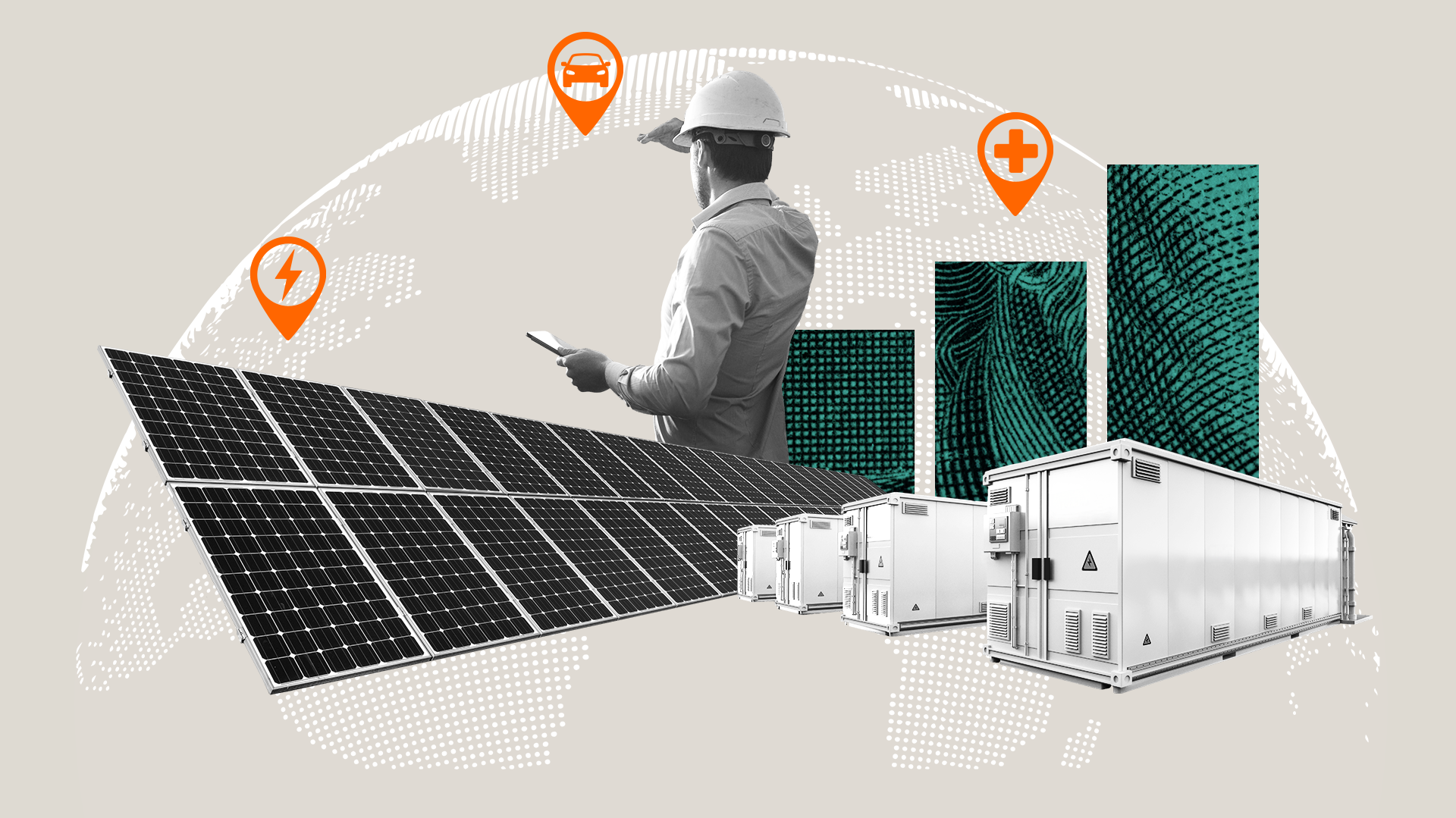
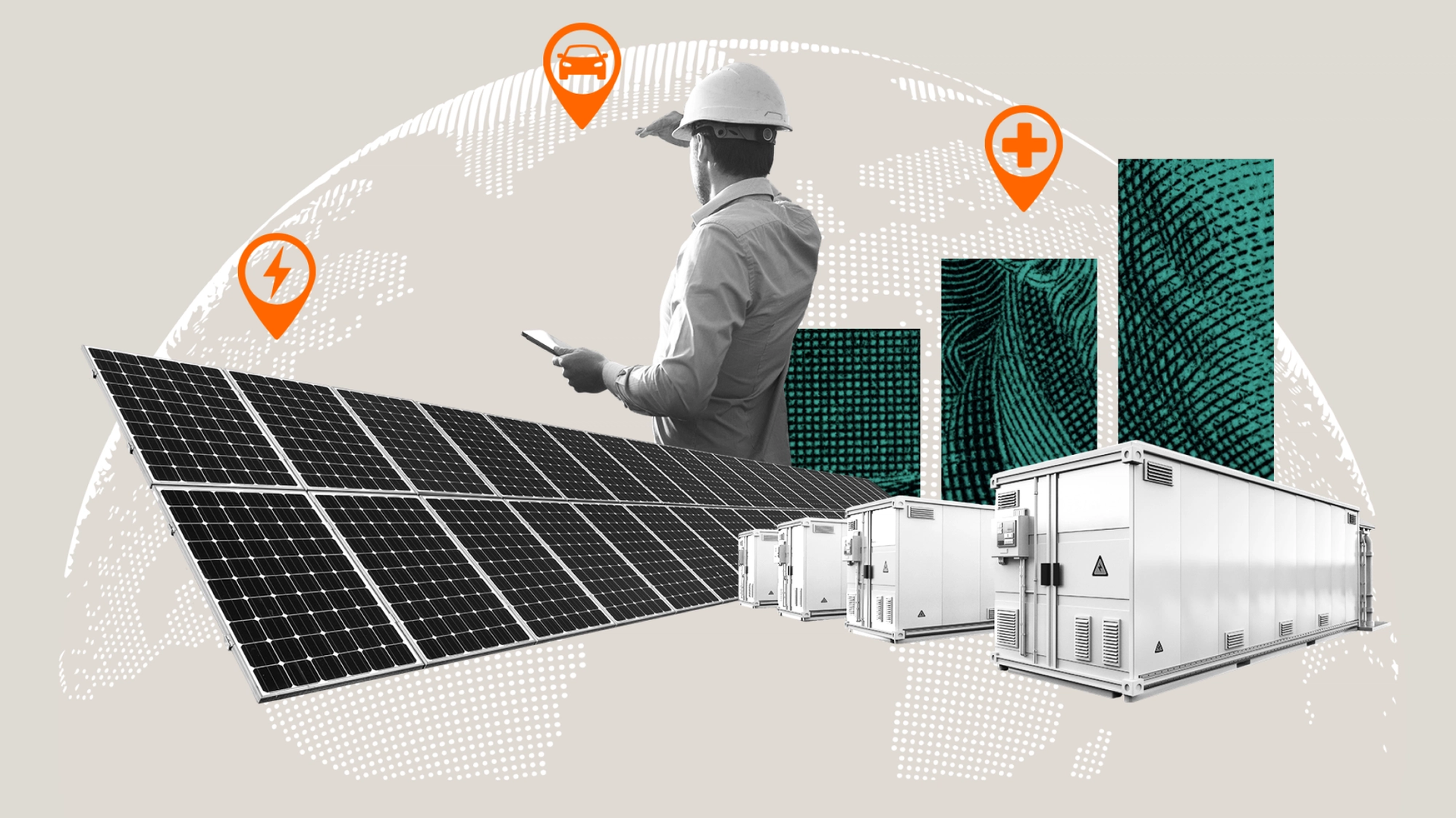

EQT invested in Scale as the AI boom was taking off. Now, the U.S. company is playing a pivotal role in powering data centers.
- Scale is one of the few companies building on-site systems to power data centers for hyperscalers.
As electricity networks struggle to keep pace with a surge in demand fueled by the AI boom, operators of power-hungry data centers are taking matters into their own hands.
They’re not waiting for energy from the grid. Instead, they’re bringing their own.
That’s opening the door for companies such as Scale. In just a few years, EQT-backed Scale has gone from developing $5m to $150m power projects for commercial and industrial facilities and universities to completing a single data-center deal that tripled its revenue.
“One way to address the strain is to actually develop your own generation on site,” says Matthew Kestenbaum, a managing director at EQT. “Scale does exactly that.”
Localized power projects that can operate independently or alongside the main grid are no longer a niche technology. They’re playing an increasingly important role as AI investment explodes. S&P Global estimates that roughly 30 gigawatts of on-site power projects will be needed by 2030 – about a quarter of new data center power demand.
Ryan Goodman started Scale in 2016, seeing an opportunity to develop on-site power projects that harness solar power, battery storage and natural gas, curb carbon emissions, and strengthen grid resilience. Over the next several years, the New Jersey-based company expanded steadily, building power systems for universities, municipalities, manufacturing facilities and commercial customers.
But by late 2024, the AI revolution was spurring demand for data center construction far beyond what Scale and EQT anticipated. The market wanted Scale’s technology but was asking for billion-dollar solutions, larger than the company’s typical projects.
“I don’t think we appreciated just how big it would become,” Goodman says.
Enter EQT
Scale needed a partner with significant capital, one that understood the energy infrastructure landscape and could help capture increasing demand for solar, natural gas, and battery-powered microgrids. While power demand has soared, red tape and bottlenecks have slowed construction of new utility scale infrastructure. Connecting utility-scale projects to the grid can now take five years or more, up from less than two years a decade ago.
EQT’s broader portfolio – including data center operator EdgeConneX – gave the investment firm insight into the challenges Scale was aiming to solve. The prospect of collaborating with companies such as EdgeConneX on integrated data center solutions was enticing, according to Goodman.
EQT invested in Scale before the shift toward on-site power for data centers took off, betting that the company’s ability to build self-contained solutions would make it well-positioned for a market shift. EQT’s acquisition of Scale followed its 2024 investment in ju:niz Energy, a developer of battery storage systems based in Germany, and the launch of its EQT Transition Infrastructure strategy.
In mapping out a three- to five-year growth trajectory, EQT supported Scale in identifying several strategic options, including a pivot to larger projects. However, Scale needed to build its capabilities quickly. EQT helped facilitate the acquisition of Reload, a platform that develops gigawatt-scale data center campuses paired with rapidly deployable on-site power infrastructure.
“The Reload transaction definitely wouldn’t have happened without EQT,” Goodman says. “Scale could have built the capability organically, but it would have taken a lot more time. And this space is moving so fast that speed matters.”
Piece of the puzzle
EQT’s network has supported the company in other ways – connecting Scale with lenders, utilities, and major customers it couldn’t have reached as easily on its own. In June 2025, Scale surpassed $1bn in total project financing after closing a $275m round. The transaction is helping to fund 140 megawatts of microgrids, community-scale solar and storage and battery projects across New York, Pennsylvania, California and other states.
For EQT, Scale is one piece of a broader strategy. The firm’s portfolio now spans the full energy-to-data center value chain. EdgeConneX builds and operates data centers for hyperscale customers. Cypress Creek, Zelestra and OX2 develop renewable energy projects, while Zayo provides fiber connectivity. Scale fills a critical role by providing the flexible, on-site power that data centers need.
“A lot of people only have one piece of the puzzle. But we can bring all those together and put capital behind all of that,” Kestenbaum says.
Essential Building Blocks
The Department of Energy expected U.S. microgrid capacity to rise to 10 GW by the end of last year. That’s more than double the capacity three years earlier. It’s also just the start, as states including California and Texas offer grants and incentives to microgrid projects. The U.S. sees microgrids as “essential building blocks” of the future grid.
Big tech companies, meanwhile, signed a pledge with President Trump in early March to supply their own power for AI data centers amid concerns over rising energy costs.
With numerous multi-hundred-megawatt systems underway, Scale is one of the few companies actively building a localized energy system to power an off-grid data center, while it continues to focus on large commercial and industrial customers. Today it’s deploying gigawatts of capacity and putting billions of dollars to work – a long way from the million-dollar projects it started with.

ThinQ by EQT: A publication where private markets meet open minds. Join the conversation – [email protected]
On the topic ofCase Studies





Exclusive News and Insights Every Month
Sign up to subscribe to the EQT newsletter.