

EQT Foundation commits more than €1 million to help unlock new ways of delivering medicines to the brain
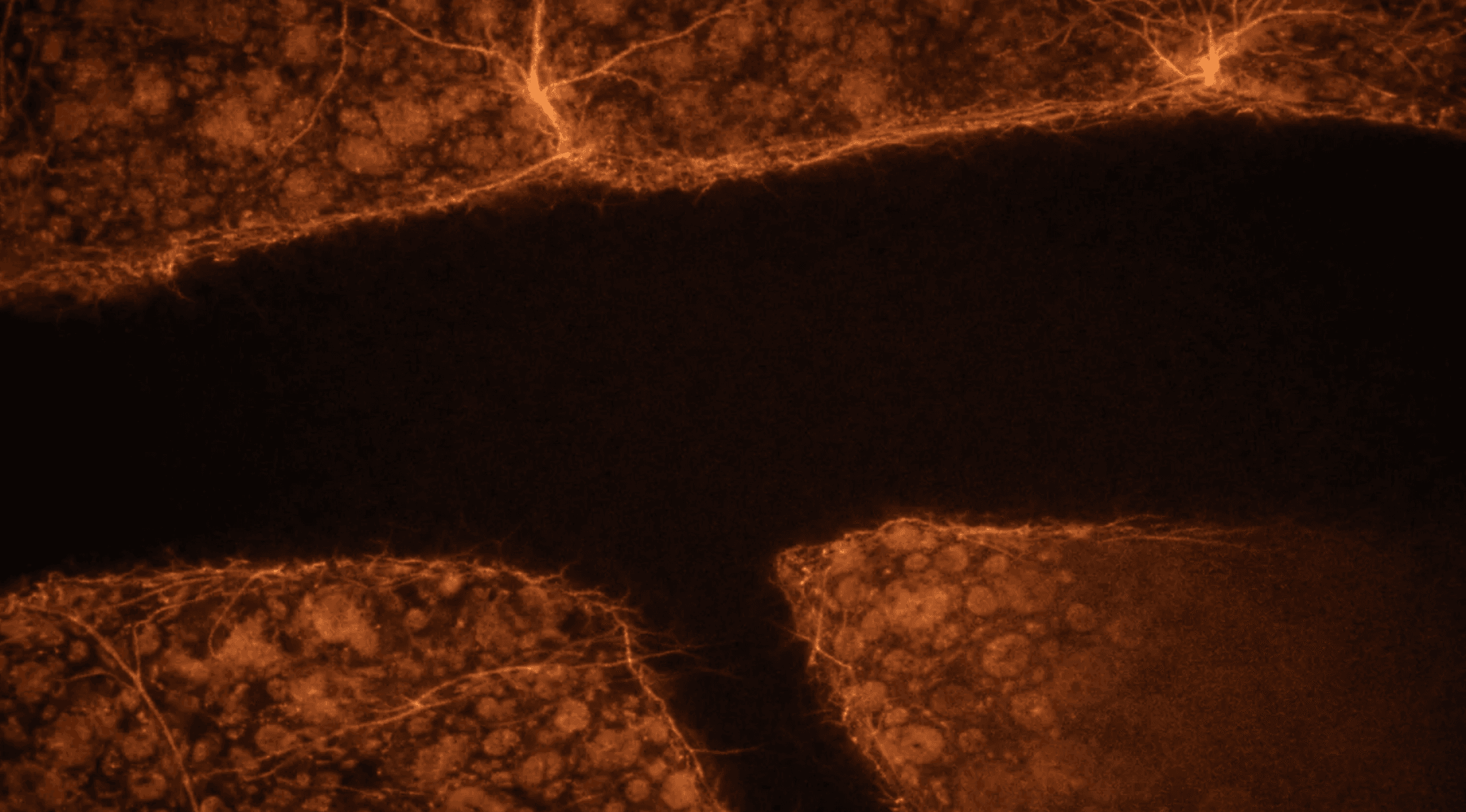
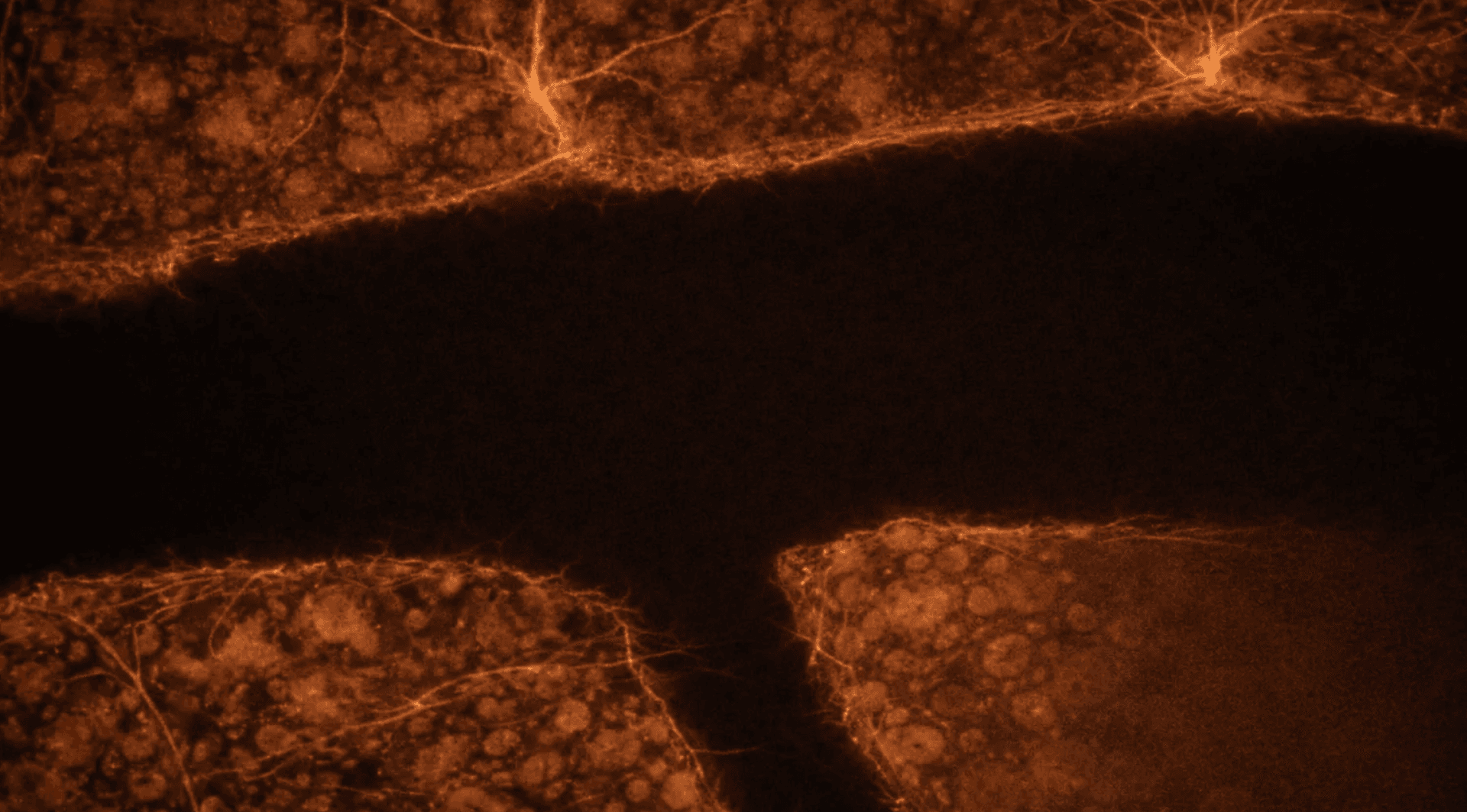

- 11 research projects working to improve how therapeutics reach the brain and central nervous system are supported through the latest EQT Foundation Science Grant
- Researchers are pursuing multiple routes through and around the blood-brain barrier, including engineered biological carriers, molecular shuttles, gene therapy vectors, nanoparticles and AI-designed delivery technologies
- The program targets a fundamental challenge in CNS medicine that limits the development of treatments for neurological, neurodegenerative, oncological and rare genetic diseases
EQT Foundation has committed more than EUR 1 million to 11 research projects aiming to develop new ways to overcome that challenge, supporting technologies that could make a wider range of medicines viable for diseases of the central nervous system.
The projects, based at 10 research institutions across the Netherlands, Belgium, the United States and Canada, approach brain delivery from very different scientific directions. Some are engineering the body’s own transport mechanisms to carry therapeutic cargo. Others are designing new molecular shuttles, viral vectors and nanoparticles, or exploring less conventional routes into the central nervous system. Several of the projects are already applying these technologies to specific diseases, including brain cancer, ALS and rare genetic disorders.
The common challenge is the blood-brain barrier: a highly selective biological interface that protects the brain from potentially harmful substances circulating in the bloodstream, but at the same time makes many otherwise promising medicines difficult to deliver. This has implications well beyond any single disease. New delivery technologies could enable emerging modalities such as gene editing, RNA medicines, antibodies and other large-molecule therapeutics to reach targets in the brain that are currently inaccessible.
Cilia Holmes Indahl, Head of EQT Foundation, said: “I believe that science can now design increasingly sophisticated medicines. For the brain, the question is whether they can get to where they need to go, which makes delivery the problem underneath all the others. This group is trying a remarkably wide set of answers, from borrowing pathways the body already has to building entirely new ones. If any of them work, they could potentially work for many diseases at once. That is exactly the kind of early, step-change science we want to back.”
The researchers receiving funding are developing technologies that span both established and emerging approaches to CNS delivery:
- Elga de Vries, Amsterdam UMC (Netherlands): Developing extracellular vesicles — naturally occurring particles used by cells to transport biological material — as carriers capable of bringing therapeutic cargo across the blood-brain barrier.
- Sophia Shi, Harvard University (United States): Developing “GlycoShuttles”, a new approach that seeks to use glycans on the surface of brain blood vessels as an entry mechanism for therapeutics and improve their distribution within the brain.
- Maarten Dewilde and Els Henckaerts, KU Leuven (Belgium): Creating a modular VHH-based adaptor designed to redirect AAV gene therapies toward alternative transport receptors at the blood-brain barrier, potentially expanding the options for systemic gene delivery to the brain.
- Ana Raquel Pato Santa Maria, Wyss Institute at Harvard University (United States): Developing dual-target brain shuttles intended to improve both the transport and retention of antibody and oligonucleotide therapeutics in the central nervous system.
- Praveen Raju, University of California San Diego (United States): Developing a targeted nanomedicine approach that aims to transport drugs into the brain specifically where disease has altered the blood-brain barrier, with an initial application in pediatric brain tumors.
- Jeroen Pasterkamp, University Medical Center Utrecht (Netherlands): Investigating engineered extracellular vesicles as carriers for gene-editing tools targeting motor neurons, initially focusing on a genetic form of juvenile ALS.
- Niek van Til, Amsterdam UMC (Netherlands): Developing an approach with the aim to enable therapeutic intracellular proteins to move across the blood-brain barrier through transcytosis, with an initial application in neurometabolic disease.
- Saman Fatima, Seattle Children’s Hospital / University of Washington (United States): Using artificial intelligence to design compact macrocyclic peptides that could act as reusable shuttles for carrying different therapeutic payloads into the brain.
- Umar Iqbal, National Research Council Canada (Canada): Developing lipid nanoparticles for mRNA delivery to the central nervous system, combining blood-brain barrier targeting with receptor-mediated transport.
- Servio Ramirez, University of Florida (United States): Developing next-generation AAV vectors designed to cross the blood-brain barrier and selectively deliver therapeutic genes to microglia, the brain’s resident immune cells. The platform is being developed initially for CSF1R-related disorders, a group of rare and devastating neurodegenerative diseases, with the potential to be adapted to other disorders involving microglial dysfunction.
- Roosmarijn Vandenbroucke, VIB and Ghent University (Belgium): Examining whether the blood-cerebrospinal fluid barrier could provide an alternative route into the central nervous system, and how its effectiveness compares with delivery directly across the blood-brain barrier.
The grants are intended to provide researchers with early, flexible capital with the aim to generate the evidence needed to help advance promising concepts toward further translational development.
The initiative sits within EQT Foundation’s Science program, which backs entrepreneurial researchers developing early-stage climate and health technologies with the potential for significant impact. Alongside grant funding, researchers can access commercialization expertise and EQT’s global network of scientific, industry and entrepreneurial experts as they work to move their discoveries beyond the laboratory.
Contact
EQT Press Office,
[email protected]
Downloads
About EQT
EQT is a purpose-driven global investment organization with EUR 341 billion in total assets under management (EUR 186 billion in fee-generating assets under management) as of 30 June 2026, within four business segments – Private Capital, Infrastructure, Real Estate and Secondaries. EQT owns portfolio companies and assets in Europe, Asia Pacific and the Americas and supports them in achieving sustainable growth, operational excellence and market leadership
More info: www.eqtgroup.com
Follow EQT on LinkedIn, X, YouTube and Instagram
About EQT Foundation
EQT Foundation is a philanthropic organization and long-term shareholder of the global investment organization EQT, founded by partners at EQT. The Foundation supports scientists and entrepreneurs bringing breakthrough solutions from lab to market, combining EQT’s expertise with catalytic investments and grants. With a focus on supporting scientific progress in underfunded areas of climate and health, the Foundation provides a learning platform for EQT employees to develop and work collaboratively across the globe, while engaging in philanthropy and making a positive impact

Exclusive News and Insights Every Month
Add your email address below to sign up for our EQT newsletters.