

How Cypress Creek is Meeting the Challenge of a Solar World

Cypress Creek Energy is stepping in as big tech firms create surging electricity demand.
- Cypress Creek Energy is building the largest solar energy project in the U.S. to provide energy for Google data centers.
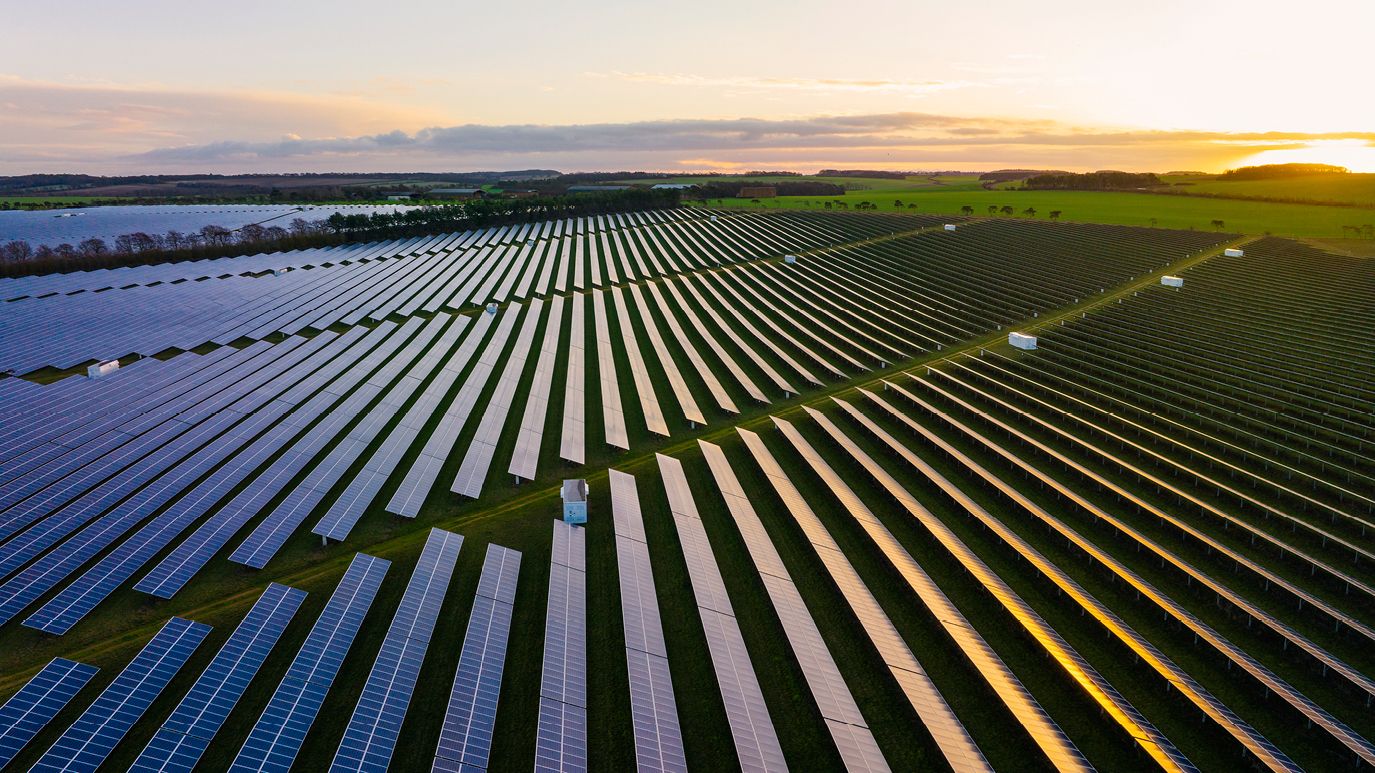
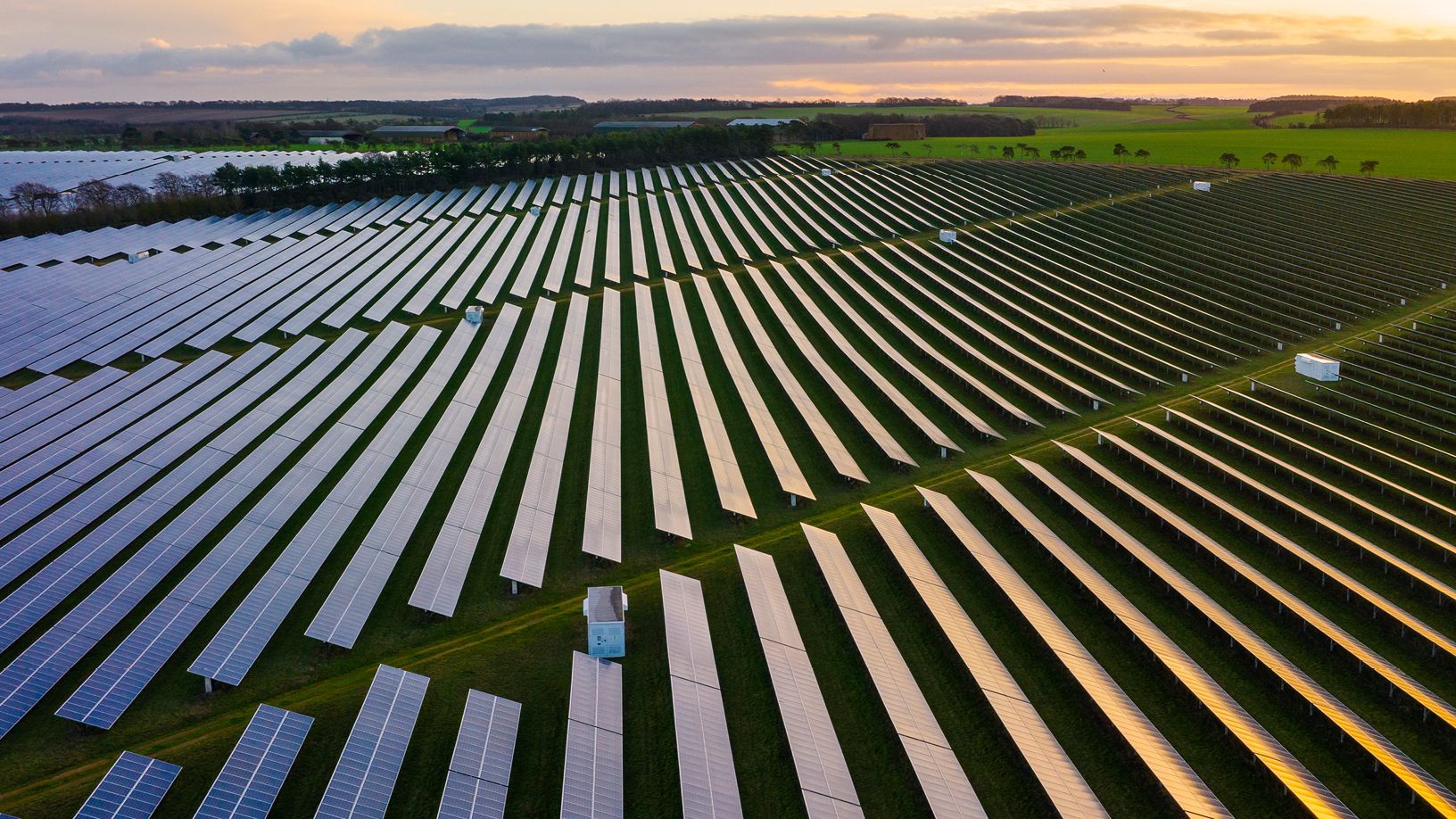
In July, an unsuspecting stretch of farmland in Mississippi County, Arkansas, made international headlines when work started on America’s largest ever solar-and-storage project.
By 2029, Cypress Creek Energy, the EQT-backed company that’s spearheading the development, aims to have installed three million solar panels across 11,000-acres (4,500 hectares) at the Steel River Energy Center. The goal is that those panels will eventually produce as much as 2.5GW of green energy, with Google contracting for power from the project’s first two phases to support the search engine giant’s data center operations. This project comes as the growth of AI drives up demand for electricity.
“Big tech has been a large supporter of renewable energy,” says Kevin Smith, who joined Cypress Creek as CEO in March this year. “We’re in discussions with almost all the tech players on projects from Colorado to New York, Texas – and everywhere in between.”
Energy demand grows
Founded in 2014, Cypress Creek has to date commercialized 19GW of solar and battery storage projects. Over the past three years, it’s shifted towards utility-scale developments, focusing on projects that generate in excess of 100MW and with construction costs ranging from hundreds of millions to more than a billion dollars. The firm has another 19GW of projects in development across a dozen U.S. states.
"Over the vast majority of my career, typically you saw electricity demand growing at maybe a half a percent or a percent a year," says Smith, who has worked in the energy sector for more than 40 years. "Now you're seeing regions with four, five, six or even more than seven percent growth in a single year." The domestic opportunity is so significant, he adds, the company needn’t expand beyond the U.S.
Cypress Creek says one if its advantages is its strong equity base, which enables it to take on projects with Steel River’s scale from development or mid-stage acquisition through to construction. Indeed, Cypress Creek assembled a $3.5bn financing package for Steel River’s initial phases: leaning on debt lines from four major banks. Having EQT as a backer since 2021 has also been beneficial for the company, according to Smith.
‘A partner for decades’
Cypress Creek is a long-term operator; it doesn't just build and sell. Unlike developers that sell projects to third parties after construction, Cypress Creek stays to operate its own plants with its own team of experienced staff.
"We're a partner for decades," Smith says. This applies to local communities as much as it does to clients, he stresses. At Steel River, the company has made a joint commitment with Google to invest $8m in local schools and other community programs.
The wider Arkansas area will also receive the energy generated by Steel River. Although Google has agreed to pay for the power from Steel River, it does not have exclusive rights to it, Smith explains. Google’s data centers will run on the grid like any other consumer. Nonetheless, tech firms commit to pay a fixed price for the power to help finance these projects, while the additional generation may help meet increased demand on the grid.
The solar boom
Installed solar generation capacity has grown rapidly in the U.S., despite the reduction of subsidies. In recent years, solar and battery storage have accounted for about 80 percent of newly-added U.S. energy capacity – much of that in Republican-controlled states like Arkansas, Louisiana, Indiana and South Carolina. According to Smith, states are focused on meeting customer electricity demand, which he believes will continue to support solar development
Total installed capacity of U.S. utility-scale solar energy projects
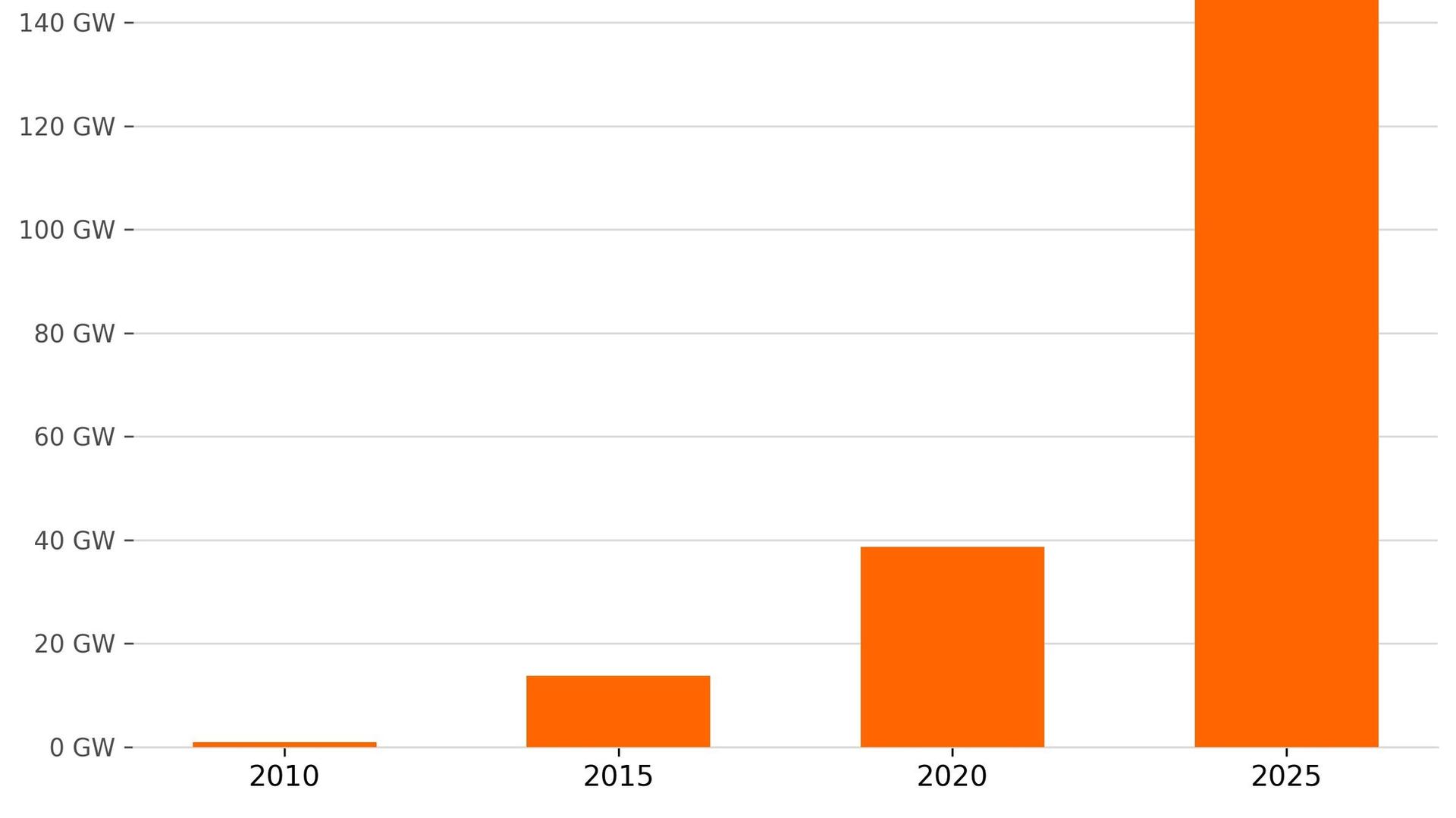
Source: U.S. Energy Information Administration, Today in Energy and Preliminary Monthly Electric Generator Inventory.
The Steel River project leans heavily on U.S. manufacturing, creating other benefits for the local economy. Its solar modules and steel are made domestically, and the batteries are assembled there too. It also aims to create 1,400 construction jobs.
“We expect solar to continue to play a significant role in the energy mix,“ Smith says.

ThinQ by EQT: A publication where private markets meet open minds. Join the conversation – [email protected]
On the topic ofCase Studies




Exclusive News and Insights Every Month
Sign up to subscribe to the EQT newsletter.