

EQT Foundation Backs Research For Solving Critical Mineral Shortage

Eleven scientists won grants from the EQT Foundation to support their research into alternatives to critical mineral dependence.
- Eleven scientists have been awarded grants from the EQT Foundation.
- The science grants aim to find alternatives to critical minerals, which are key components of batteries and other electricity infrastructure.
- EQT Foundation is EQT’s charitable arm.
Eleven researchers have been awarded more than €1m combined in grants by the EQT Foundation to support their work developing high-risk, high-impact deeptech solutions with an aim to reduce or eliminate the use of critical and strategic raw materials in key climate technologies.
The winning technologies range from novel approaches to battery recycling to new ways to extract lithium from saline water. Each winner received a grant of between €25,000 and €100,000 to support their work. The successful grantees represented a broad range of worldwide nonprofit institutions.
The grants are part of EQT Foundation’s broader Science program, which supports entrepreneurial scientists working on innovative climate and health solutions at the earliest stages of development. In addition to funding, grantees receive access to commercialization support and EQT’s global network to help accelerate the path from scientific discovery to potential real-world impact.
Here is a full list of winners:
Rhiyaad Mohamed
University of Cape Town (South Africa)
Rhiyaad is developing a novel iridium anode manufacturing process to reduce challenges involved with hydrogen clean energy systems. The objective is to reduce iridium intensity without compromising durability, so hydrogen deployment is no longer constrained by material scarcity.
André Studart
ETH Zurich (Switzerland)
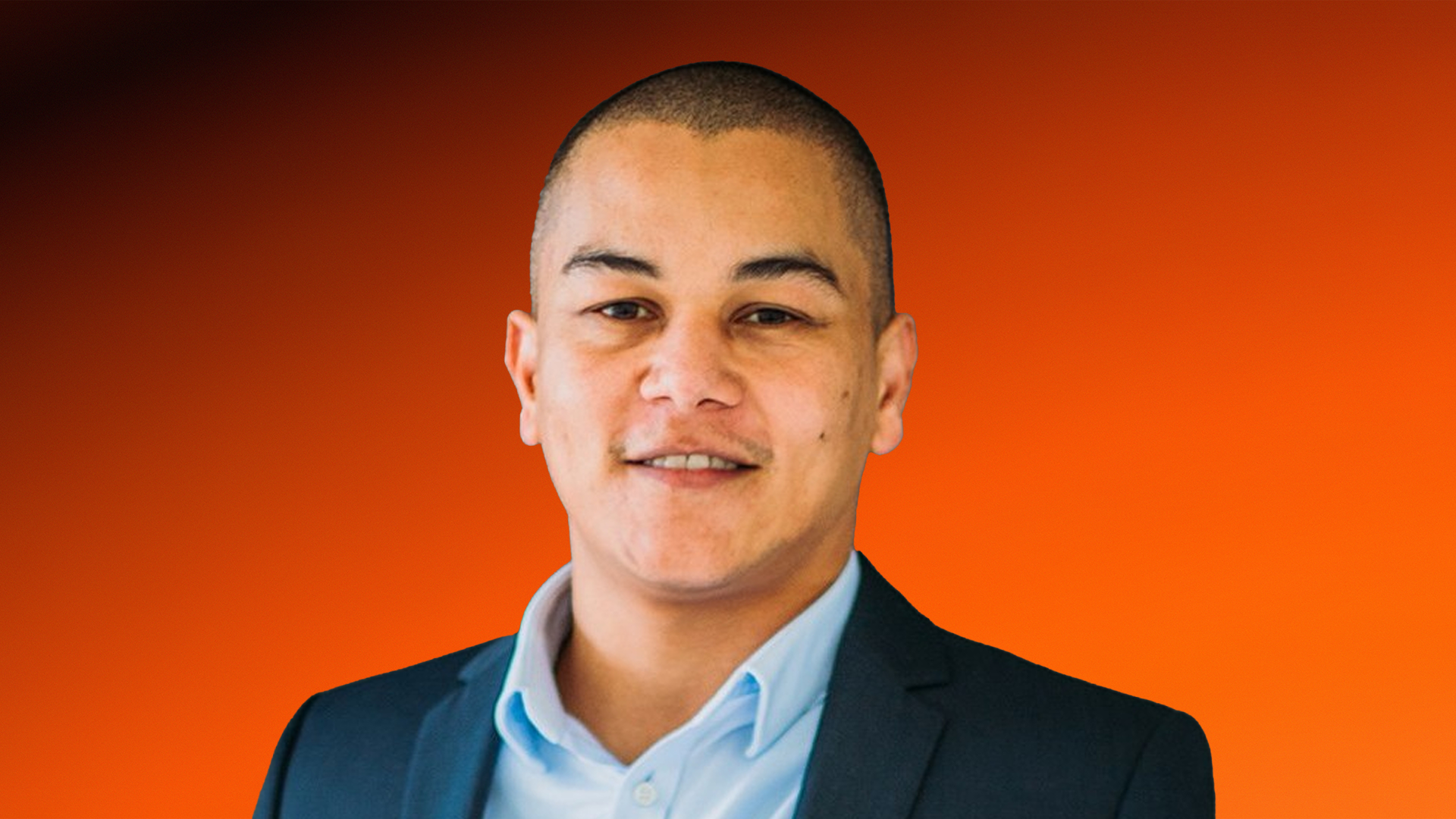
André’s project uses specialized microbes to ‘mine’ rare earth elements from waste-to-energy residues with the aim to help secure the minerals necessary for Europe’s green energy transition. The vision is to establish the groundwork for a future deep tech spin-off that commercializes a modular bio-recovery system and reduces the need for metals mining.

Adrian Oehman
The University of Queensland (Australia)
Adrian is exploring a new approach to capture the release cycles of rare earth elements and lithium from dilute industrial waste streams using an alternative to conventional solvent extraction and ion-exchange technologies. This aims to materially reduce reliance on mining extraction.

Xiaochu Wei
Imperial College London (UK)
Xiaochu is researching a modular electro-recycling process that converts end-of-life batteries into battery-grade lithium, nickel, cobalt, manganese and copper, with an aim to enable selective, low-carbon and scalable recovery of critical materials for a circular battery supply chain.

Sajid Alvi
Chalmers Next Labs (Sweden)
Sajid is designing a novel silicon-alloy anode that addresses today’s limitations of lithium-ion batteries, using strategic, sustainable, cost-effective, and scalable production methods. The vision is a European supply chain of active materials that reduces the reliance on imported graphite and silane-dependent routes.

Xiao Su
University of Illinois Urbana-Champaign (U.S.)
Xiao seeks to design specific redox materials that can enhance selectivity between rare earth elements based on multi-ligand coordination. The vision is to achieve a fully electrified rare earth element recycling and purification process.
Kiana Amini
The University of British Columbia (Canada)
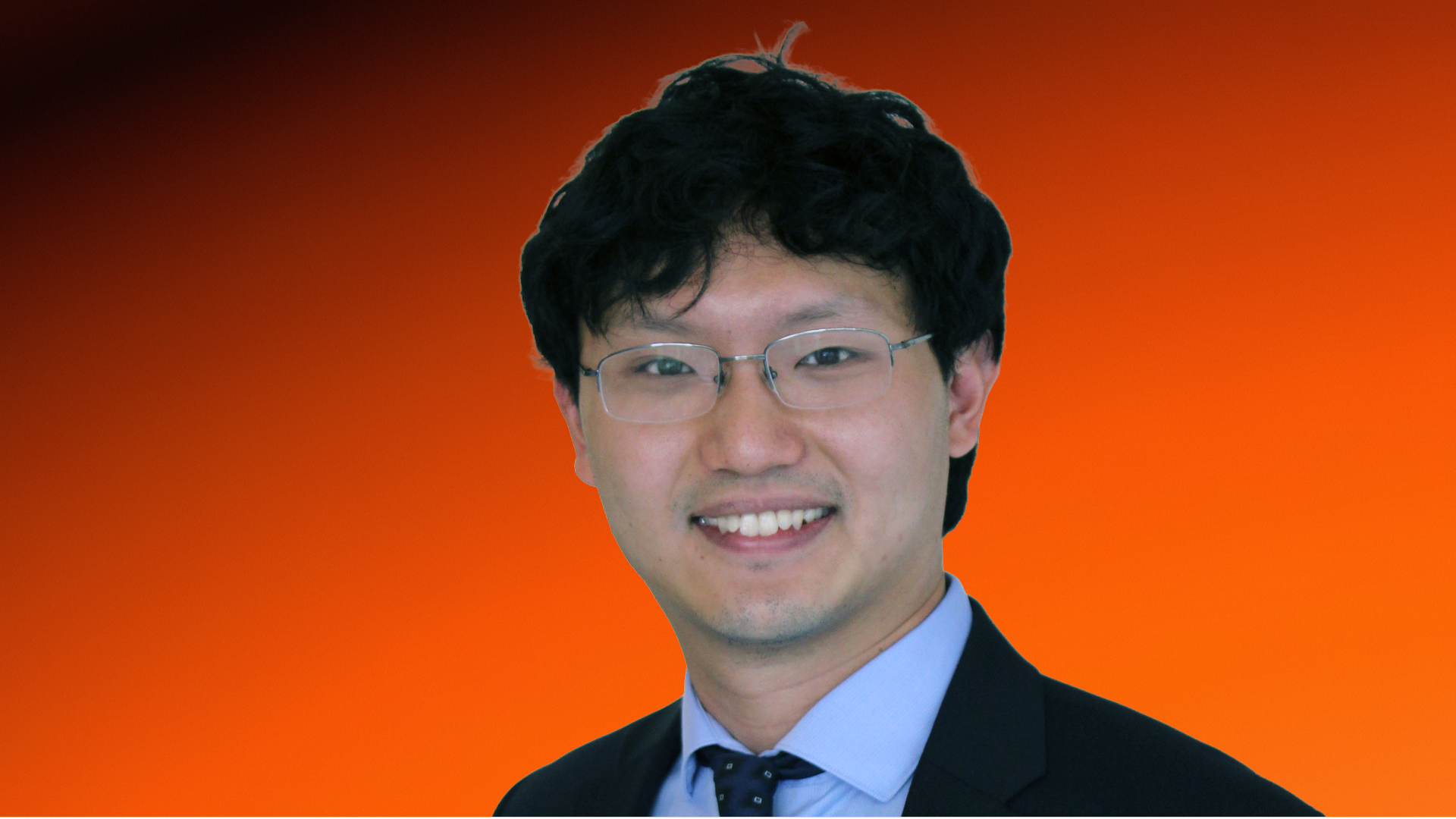
Kiana is exploring a modular electrochemical system that extracts lithium from saline waters as a means to address critical mineral supply gaps. The goal is to deploy the technology along coastal and saline-water regions, strengthening critical mineral supply resilience and establishing low-impact pathways for resource recovery that support electrification and climate goals.

Bertrand Paviet-Salomon
CSEM (Switzerland)
Bertrand aims to drive renewable energy adoption with sustainable and scalable photovoltaic solutions. The vision is to remove the material bottlenecks that threaten the growth of photovoltaic energy.
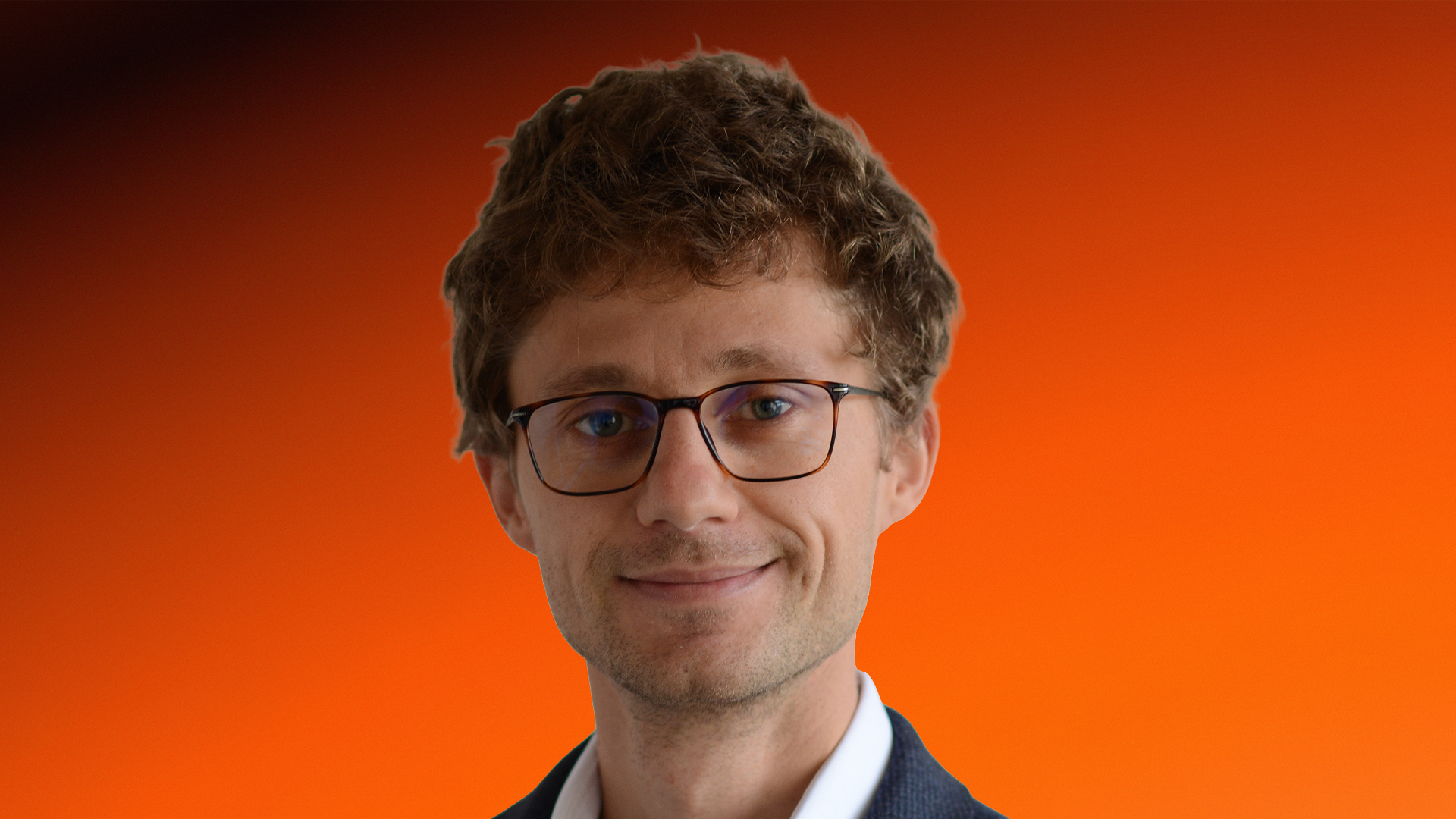
Jonas Thusgaard Elsborg
Technical University of Denmark (Denmark)
Jonas is researching a roll-to-roll discovery and manufacturing platform for earth-abundant electrocatalysts that de-risks their scale-up by transferring learned process control from lab discovery to larger-scale manufacturing. The platform runs continuous R&D alongside production, so it quickly learns how to scale the production of highly performant earth-abundant materials.

Weiran Zhang
Nanyang Technological University (Singapore)
Weiran is exploring a micro-silicon anode paired with a Li-halide salt cathode as an alternative to current battery chemistry. The vision is to move battery technology beyond intercalation chemistry and establish a critical-materials-free platform as a new foundation for scalable energy storage systems.
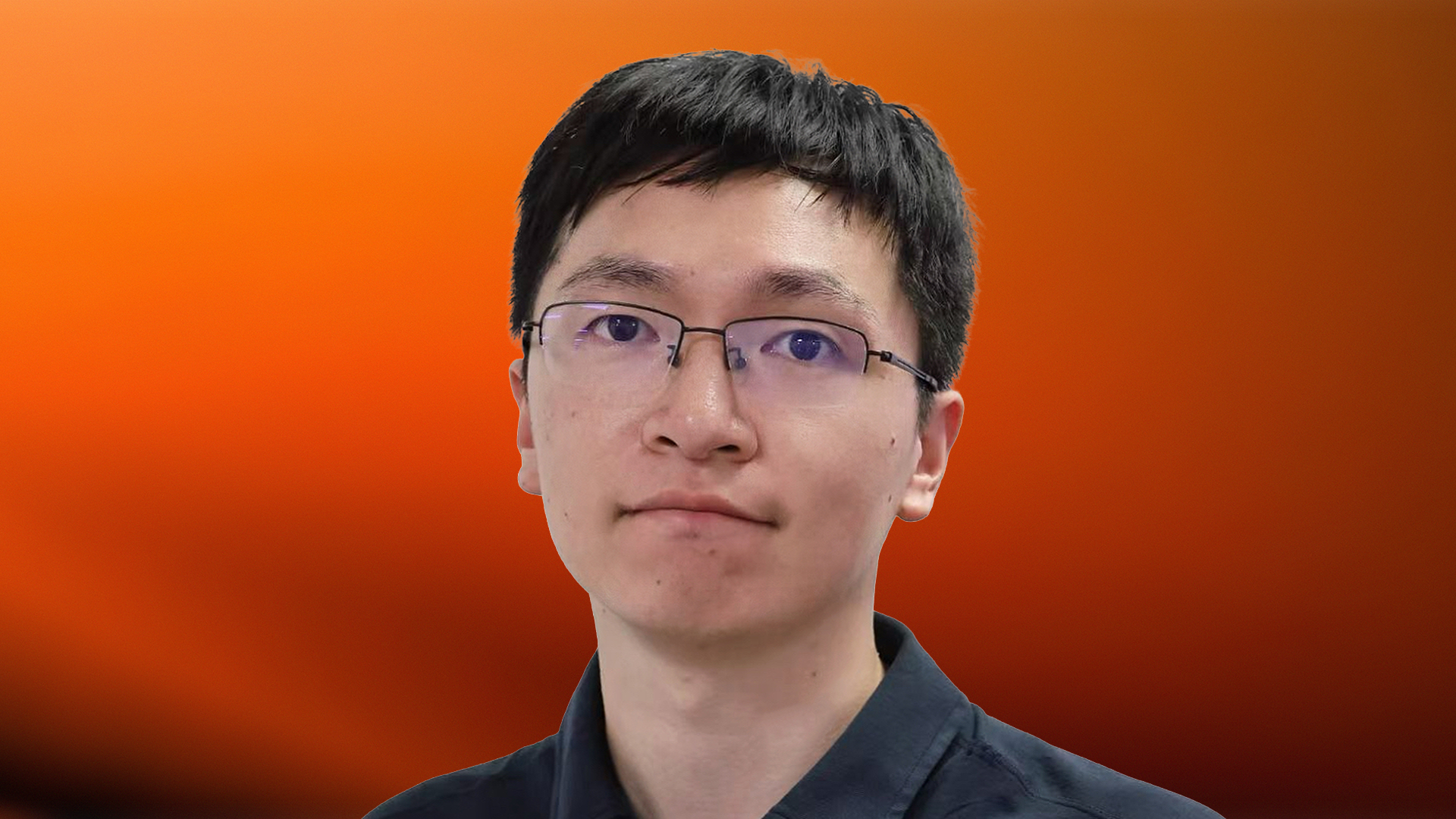
Juchen Guo
University of California Riverside (U.S.)
Juchen is researching aluminum metallurgy as a solution for scalable lithium-ion battery recycling technology. Aluminum metallurgy uses a near-neutral aqueous process to recover critical materials with minimal waste products. The technique aims to enable localized recycling plants to better process battery feeds and eliminate the hazardous materials shipping and storage.


ThinQ by EQT: A publication where private markets meet open minds. Join the conversation – [email protected]
On the topic ofTechnology



Exclusive News and Insights Every Month
Sign up to subscribe to the EQT newsletter.